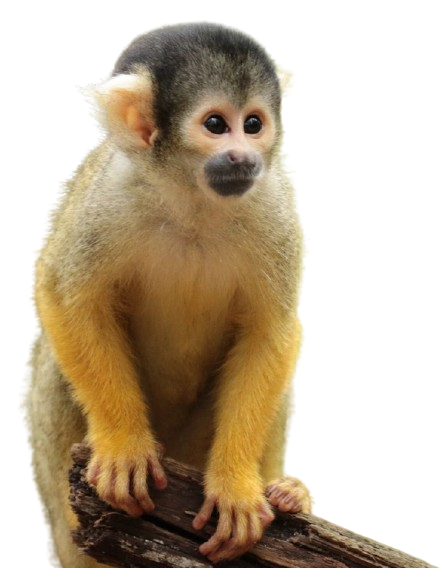
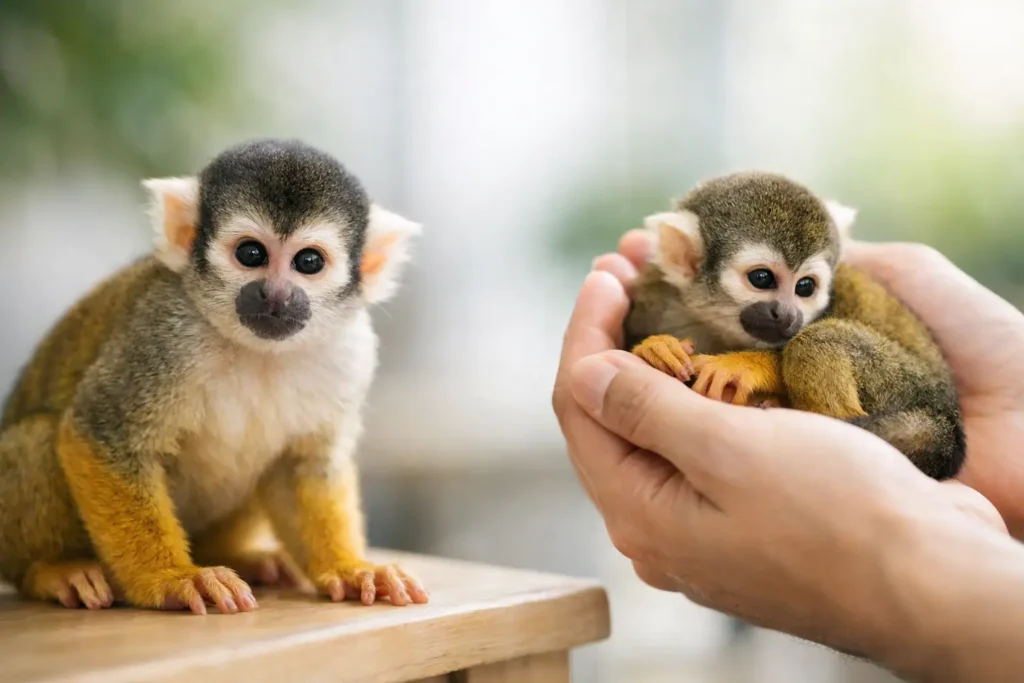
A baby squirrel monkey can win a room over in seconds. Bright-eyed, expressive, and eager to engage, these remarkable primates form close bonds with the people who care for them. But before searching for squirrel monkeys for sale, the most meaningful question is not which baby is available. It is whether your home, schedule, resources, and local regulations are ready for a lifelong primate family member.
Squirrel monkey ownership is highly rewarding for the right household, but it is not casual pet ownership. These intelligent, social animals need daily interaction, a carefully planned environment, specialized veterinary support, and an owner who understands that their needs will change as they mature. A responsible placement begins with honesty about that commitment.
What Makes Squirrel Monkeys So Special?
Squirrel monkeys are small New World primates known for their curious nature, quick movements, and deeply social personalities. Hand-raised babies can develop strong relationships with their caregivers, especially when their early life includes consistent, gentle human interaction. They are observant animals that often enjoy activity, routines, and being included in appropriate family life.
Their size can lead people to assume they are easy to care for. That is one of the most common misunderstandings. A smaller primate still has a big need for enrichment, security, companionship, and knowledgeable handling. Squirrel monkeys are active climbers with agile hands and busy minds. A home that feels stimulating and safe to a person may still be too limited for a primate without thoughtful preparation.
The right owner sees a squirrel monkey as an individual, not a novelty. Personality matters. Some babies are especially outgoing and playful, while others may be more observant at first and need extra time to settle into a new family routine. A quality breeder or placement program should be able to speak clearly about a baby’s temperament, socialization, age, health history, and ongoing care expectations.
Squirrel Monkeys for Sale Require a Legal Plan First
Before choosing a baby, confirm whether private squirrel monkey ownership is permitted where you live. Rules can vary widely by state, county, city, neighborhood association, and rental agreement. Some areas allow ownership with permits or registration, while others restrict or prohibit primates altogether.
Do not rely on a general online answer or assume that a nearby county follows the same rules as yours. Responsible ownership starts with direct confirmation from the appropriate state and local authorities. If permits, inspections, veterinary certificates, or enclosure documentation are required, those steps should be completed before homecoming.
This process may feel detailed, but it protects everyone involved. Legal preparation helps ensure that your monkey can remain safely and securely with your family rather than facing avoidable disruption later. A responsible placement team can help approved buyers understand what questions to ask and what documents may be needed, but the owner is ultimately responsible for maintaining compliance throughout the animal’s life.
Your Home Needs More Than an Extra Room
A squirrel monkey needs a secure, purpose-built living space that supports movement, climbing, rest, feeding, and enrichment. The enclosure should be designed to prevent escapes, protect the monkey from household hazards, and give the animal an environment that feels varied rather than confining.
For many families, this means creating a dedicated indoor primate area along with a secure outdoor enclosure when climate and local rules allow. Materials, locks, spacing, flooring, temperature control, and cleaning access all matter. A monkey’s dexterity means simple latches and ordinary barriers may not be enough. Planning should account for what a clever, energetic animal can reach, pull apart, climb, or open.
The enclosure is only the starting point. Squirrel monkeys need daily supervised time, rotating enrichment, climbing opportunities, and positive engagement with their caregivers. They should not be treated like a decorative animal kept apart from family life. At the same time, they need structured boundaries and safe handling practices. The best setup balances connection with consistency.
Daily Care Is a Real Lifestyle Commitment
A squirrel monkey’s care routine is active and hands-on. Meals must be planned around appropriate primate nutrition, fresh foods, safe variety, and clean water. Enclosures need regular cleaning, and enrichment should be refreshed frequently so the environment stays mentally engaging.
Just as important, these animals need time. A squirrel monkey may seek interaction in the morning, want to explore and play throughout the day, and become unsettled when routines change without support. Travel, long work hours, major household changes, and frequent visitors all require planning. The owner’s lifestyle should have enough flexibility to meet the monkey’s social and emotional needs consistently.
It also helps to think beyond the infant stage. Baby primates are adorable, but they do not stay babies. As a squirrel monkey matures, behavior, strength, boundaries, and care needs can change. Owners need patience, education, and a long-term mindset. A placement decision should be based on the adult animal you will continue loving and caring for years from now, not only the baby you meet on homecoming day.
Veterinary Care Should Be Arranged Before Homecoming
Finding an experienced exotic or primate veterinarian can take time, especially outside major metropolitan areas. Make that call before bringing a squirrel monkey home. You want to know where routine wellness exams, emergency care, diagnostic testing, and ongoing health guidance will come from.
A responsible baby should receive appropriate veterinary attention before placement, and buyers should receive clear health information and instructions for the transition home. Ask practical questions about the animal’s exam history, feeding routine, recommended follow-up care, and any available health-related guarantees. Clear records and open communication create a stronger start for both the monkey and the new family.
Veterinary planning also belongs in the household budget. Primate care is specialized, and emergency treatment can be expensive. Families considering squirrel monkeys should be comfortable setting aside funds for routine medical care, unexpected needs, enclosure maintenance, nutrition, transport, and enrichment over the years ahead.
Choosing the Right Placement Partner Matters
Not every seller offers the same level of care, transparency, or post-placement support. The decision should never be based on a photo, a low price, or a promise that a primate will be easy to keep. Look for a program that puts the animal’s welfare and the buyer’s readiness ahead of a quick transaction.
A strong placement experience includes careful screening, honest conversations about ownership, health and veterinary oversight, socialization information, and guidance on permits and enclosure expectations. It should also include a realistic discussion of transportation and homecoming. Moving a baby primate safely requires coordination, attention to timing, and a plan that minimizes stress.
At Premier Primates, the goal is to help approved families prepare thoughtfully, from early questions through homecoming and beyond. That kind of lifetime mentorship matters because new owners will have questions as routines develop. The right support is not just about getting a baby home. It is about helping the family provide a stable, loving life after the first exciting day.
Questions to Ask Yourself Before You Apply
Start with your local rules, but do not stop there. Consider whether every adult in the household supports the decision and whether your daily routine allows for meaningful interaction. Think about your housing stability, nearby veterinary options, travel plans, finances, and ability to maintain a secure enclosure over the long term.
You should also consider your expectations. A squirrel monkey is not a substitute for a dog, cat, or child. They communicate differently, need species-appropriate care, and may not enjoy every type of touch or social situation. Their affection can be deeply rewarding, but it is built through trust, routine, and respectful handling.
If you are prepared for the responsibility, the relationship can be extraordinary. Squirrel monkeys bring intelligence, personality, and a sense of connection that few animals can match. They deserve owners who are equally ready to show up every day.
The best first step is to prepare your home and your plan before you fall in love with a particular baby. When the legal, financial, veterinary, and daily-care pieces are already in place, you can welcome a squirrel monkey not just with excitement, but with the security of a family truly ready to care for them.