Primates for Sale in North Carolina
Explore information about available Capuchin, Marmoset and Squirrel Monkeys for qualified North Carolina applicants. Learn about local ownership rules, responsible care, secure housing and transportation before submitting an inquiry.
View Available Primates Submit an InquiryHealthy Primates for Qualified North Carolina Applicants
Premier Primates provides availability information and educational guidance for people researching primates for sale in North Carolina. Depending on current availability, our featured primates may include Capuchin Monkeys, Marmoset Monkeys and Squirrel Monkeys.
A primate is not a conventional household pet. Primates are intelligent, socially complex animals that require secure housing, daily interaction, appropriate nutrition, structured enrichment and access to veterinary professionals familiar with nonhuman primates.
Before selecting an animal, prospective owners should research the adult behavior, lifespan and care requirements of the chosen species. They must also confirm that primate ownership is allowed at their exact residential address.
Begin by visiting our Available Primates for Sale page. Availability may change, so contact Premier Primates to confirm whether a particular animal is still available.
Primate Species Featured by Premier Primates
Each primate species has different behavioral, nutritional, housing, social and enrichment requirements.
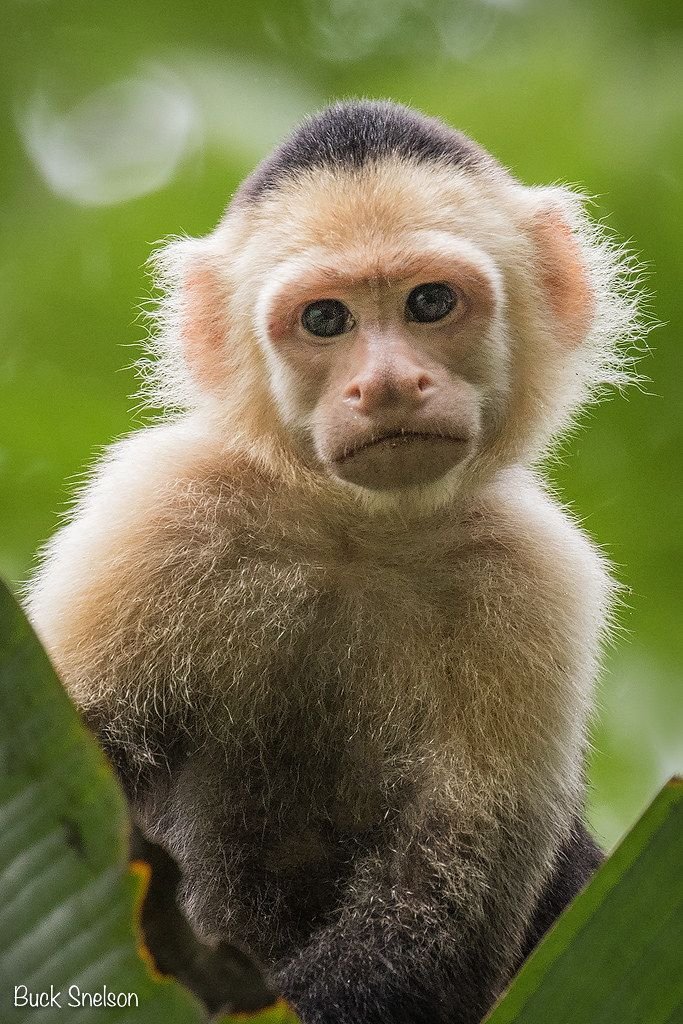
Capuchin Monkeys
Capuchins are highly intelligent and active primates. They need secure housing, consistent routines, climbing structures, social interaction and challenging daily enrichment.
Explore Capuchin Monkeys for Sale →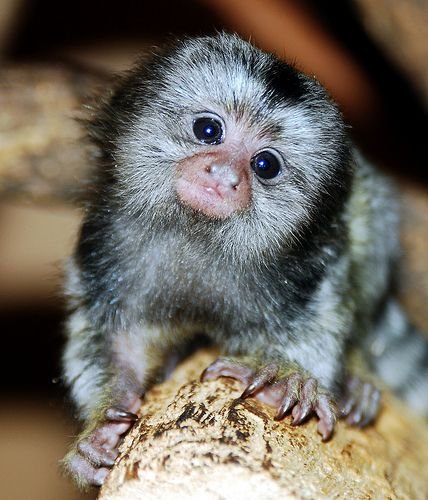
Marmoset Monkeys
Marmosets may be small, but they have specialized social, nutritional and environmental needs. Their size does not make them simple or low-maintenance companion animals.
Explore Marmoset Monkeys for Sale →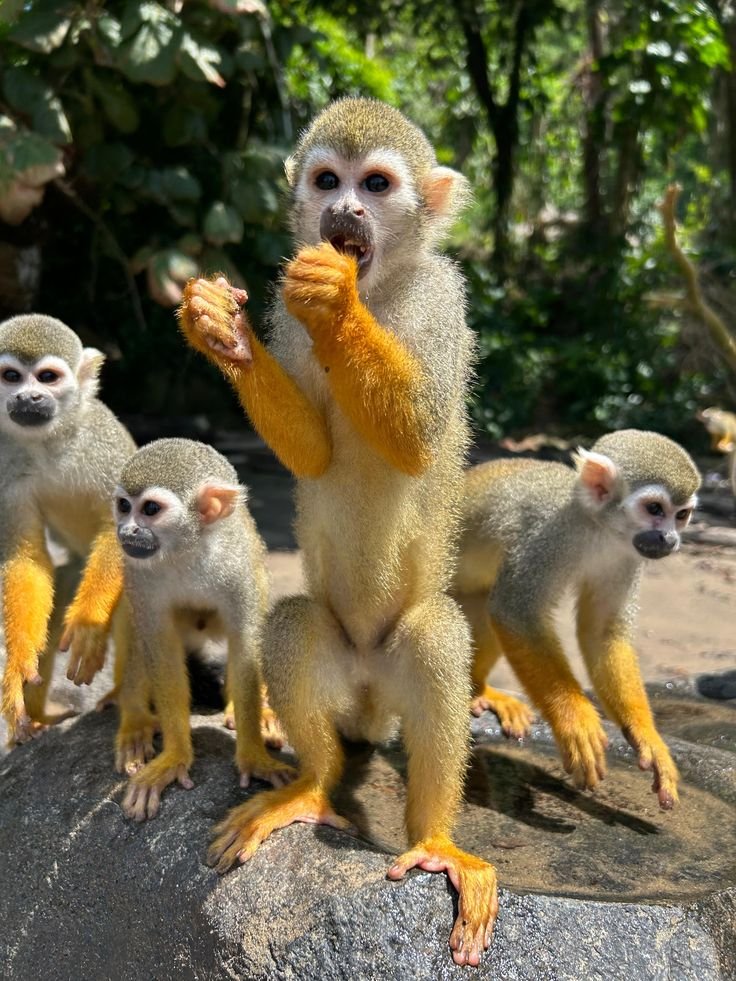
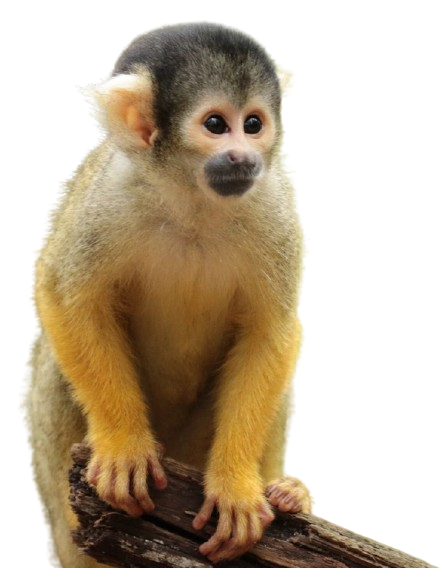
Squirrel Monkeys
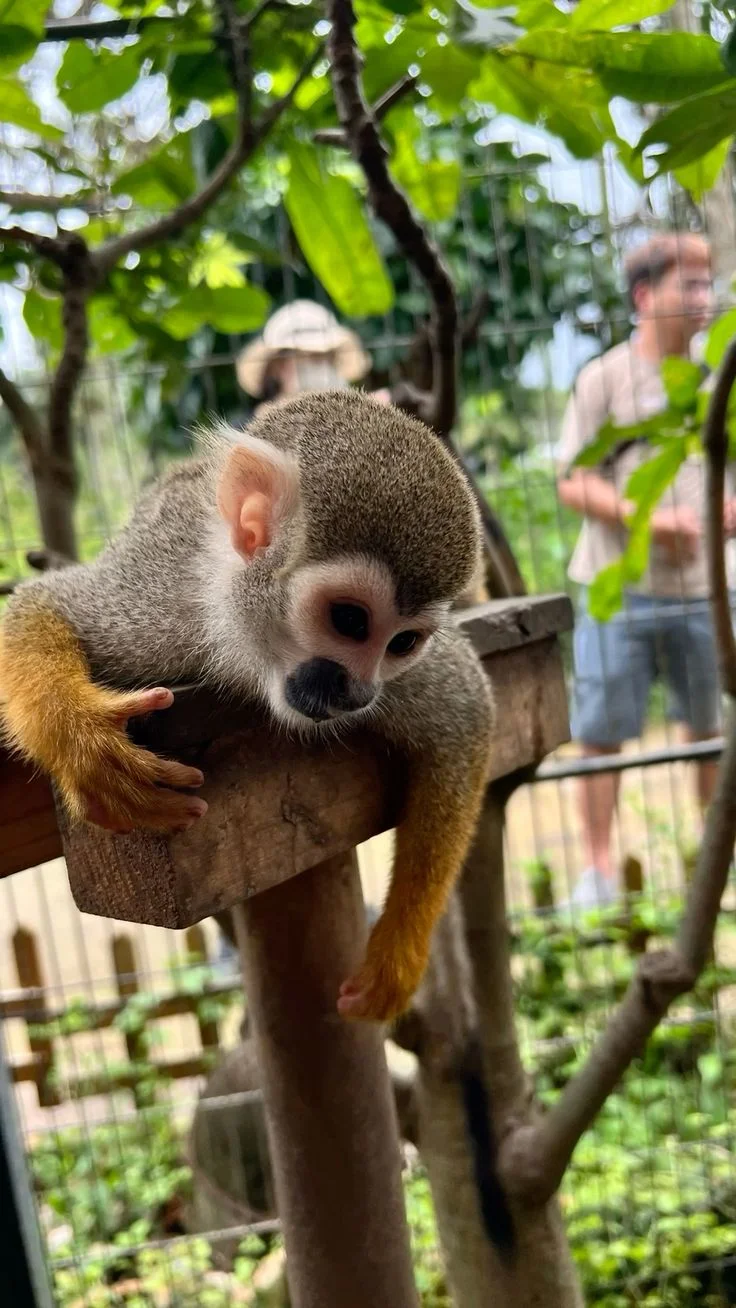
Squirrel Monkeys are agile, energetic and socially complex. They require substantial climbing space, physical activity and varied enrichment throughout the day.
Explore Squirrel Monkeys for Sale →Are Primates Legal in North Carolina?
North Carolina does not provide one simple answer that applies to every primate, county and municipality. State wildlife rules, public-health requirements and local animal ordinances may all affect whether an animal can legally be kept at a particular address.
Capuchins, Marmosets and Squirrel Monkeys are not currently identified on the North Carolina Wildlife Resources Commission webpage listing the exotic species subject to its Restricted Species Permit. However, that does not establish automatic permission throughout the state.
North Carolina counties and cities may regulate, restrict or prohibit animals considered dangerous. Some local ordinances may specifically include all nonhuman primates, while others may regulate primates according to species, adult weight or intended use.
Prospective owners should contact both county and city animal-control authorities. Written confirmation should be obtained before reserving an animal or arranging transportation.
Official North Carolina resources
Review the North Carolina Wildlife Resources Commission Restricted Species Permit information . Applicants can also consult the North Carolina county dangerous-animal authority and the North Carolina municipal dangerous-animal authority .
How to Verify North Carolina Primate Ownership Rules
Check every level of authority that may regulate animals at the address where the primate will be housed.
Identify the Species
Record the exact common and scientific name of the primate you are considering.
Contact the County
Ask county animal control whether nonhuman primates are prohibited, licensed or otherwise regulated.
Contact the City
Verify municipal rules separately because city requirements may differ from county regulations.
Obtain Confirmation
Request written confirmation and retain copies of any permit, approval or exemption.
Preparing for Responsible Primate Ownership
Responsible primate ownership begins long before an animal arrives. The home must be prepared for the animal's adult size, strength, movement, intelligence and social needs. Temporary infant arrangements may become unsuitable as the primate matures.
North Carolina experiences hot, humid summers as well as cold winter temperatures. Primates should have access to secure, temperature-controlled indoor housing throughout the year. Outdoor areas must provide shade, weather protection and safeguards against accidental escape.
- Secure, escape-resistant housing
- Temperature-controlled indoor space
- Species-appropriate climbing structures
- Daily social and mental enrichment
- Balanced, species-appropriate nutrition
- Experienced exotic-animal veterinarian
- Emergency caregiver arrangements
- Severe-weather evacuation plan
Read more about our health expectations on the Primate Health Guarantee page. Information about our approach and values is available on the About Premier Primates page.

Arrange Veterinary Care Before Arrival
Prospective owners should locate a veterinarian with genuine experience treating nonhuman primates before bringing an animal home. Not every exotic-animal clinic accepts monkeys or provides primate emergency services.
Ask the clinic whether it provides routine examinations, diagnostic testing, nutritional guidance and emergency support. Confirm its policies in writing whenever possible.
Owners should also understand that public-health procedures following a bite or scratch may differ from those used for dogs and cats. A veterinarian and local health department can explain the procedures applicable in the owner's jurisdiction.
Visit our Frequently Asked Questions page for more information about availability, care, health preparation and transportation.
Primate Transportation to North Carolina
Transportation may be discussed only after the recipient's legal eligibility, home preparation and placement suitability have been confirmed. Delivery is not guaranteed to every North Carolina address.
Travel arrangements depend on the destination, distance, weather, route, documentation, animal health and qualified transporter availability. Unsafe weather or transportation conditions may require the travel date to be changed.
Visit our Primate Delivery page to learn about pickup, specialized ground transportation, travel preparation and arrival procedures.
Commercial transportation may also be subject to federal requirements. Review the USDA APHIS guidance for transporting animals in commerce for additional information.
North Carolina Areas Receiving Primate Inquiries
Premier Primates may receive inquiries from residents throughout North Carolina, subject to local laws and placement requirements.
- Charlotte
- Raleigh
- Greensboro
- Durham
- Winston-Salem
- Fayetteville
- Cary
- Wilmington
- High Point
- Concord
- Asheville
- Gastonia
- Jacksonville
- Chapel Hill
- Huntersville
- Rocky Mount
Frequently Asked Questions About Primates in North Carolina
Is it legal to own a monkey in North Carolina?
The answer depends on the species and exact location. County and municipal ordinances may prohibit or regulate nonhuman primates even when there is no single statewide rule covering every species.
Can I own a Capuchin Monkey in North Carolina?
Prospective owners must check both county and city regulations. Some local laws regulate all nonhuman primates or classify certain primates as dangerous animals.
Are Marmoset Monkeys legal in North Carolina?
Do not assume that a Marmoset is automatically legal because of its small size. Local ordinances may cover primates broadly, regardless of adult weight.
Can I own a Squirrel Monkey in North Carolina?
Eligibility depends on current county, city, zoning, housing and public-health rules. Written verification should be obtained before making a reservation.
Can a primate be delivered to my North Carolina home?
An eligible transportation option may be discussed only after legal approval, placement suitability, housing preparation and safe travel conditions are confirmed.
What should I include in my inquiry?
Include your full name, city, county, ZIP code, chosen species, ownership experience, legal-verification status, enclosure plan and veterinary arrangements.
Explore Premier Primates
- Premier Primates Home
- Available Primates for Sale
- Capuchin Monkeys for Sale
- Marmoset Monkeys for Sale
- Squirrel Monkeys for Sale
- Primate Delivery
- Primate Health Guarantee
- About Premier Primates
- Primate Care Blog
- Frequently Asked Questions
- Contact Premier Primates
- Primates for Sale in Texas
- Primates for Sale in Florida
Ask About Available Primates in North Carolina
After confirming the rules for your exact city and county, contact Premier Primates with your ZIP code, chosen species, legal-verification status and questions about availability, care or transportation.
Contact Premier Primates Browse Available Primates