A baby monkey can arrive small enough to hold close, but preparing for monkey ownership is never a small decision. A primate becomes part of your daily rhythm, your household planning, and your long-term budget. The most successful placements begin well before homecoming, when a future owner makes room not only for an animal, but for an intelligent, social family member with needs that will change over time.
Start With the Commitment, Not the Cute Photo
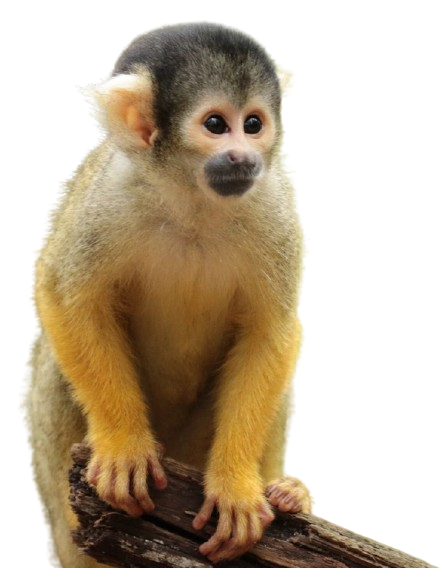
Capuchins, Marmosets, and Squirrel monkeys are engaging, expressive primates with distinct personalities. They can form meaningful bonds with their caregivers, especially when raised with patient, consistent interaction. That connection is exactly what draws many families to primate ownership, but it also creates a serious responsibility.
A primate needs dependable care every day, including weekends, travel seasons, holidays, and unexpected life changes. They need interaction, mental stimulation, appropriate nutrition, a clean and secure environment, and caregivers who understand their behavior. This is not a companion animal that can be left to entertain itself while the household is away for long hours.
Before moving forward, have an honest household conversation. Who will provide daily care? Who is prepared to follow routines? What happens if your job, home, health, or family structure changes? A thoughtful answer to those questions is one of the clearest signs that a home is ready.
Confirm That Ownership Is Legal Where You Live
State, county, and city rules can differ dramatically. One area may allow certain primate species with a permit, while another may prohibit private ownership entirely. Zoning rules, homeowners association policies, landlord requirements, and transport regulations can also affect whether a placement is possible.
Do not assume that a state-level rule is the only rule that matters. Contact the relevant state wildlife agency and local animal control or zoning office, then ask specifically about the species you are considering. Find out whether permits, inspections, liability coverage, veterinary documentation, or enclosure specifications are required before an animal arrives.
This research should happen early. A responsible breeder or placement partner can offer guidance through the process, but the owner must be willing to comply with every applicable requirement. Regulations can change, so keep your documentation organized and revisit requirements when you move or make major changes to your property.
Build a Home Around Safety and Enrichment
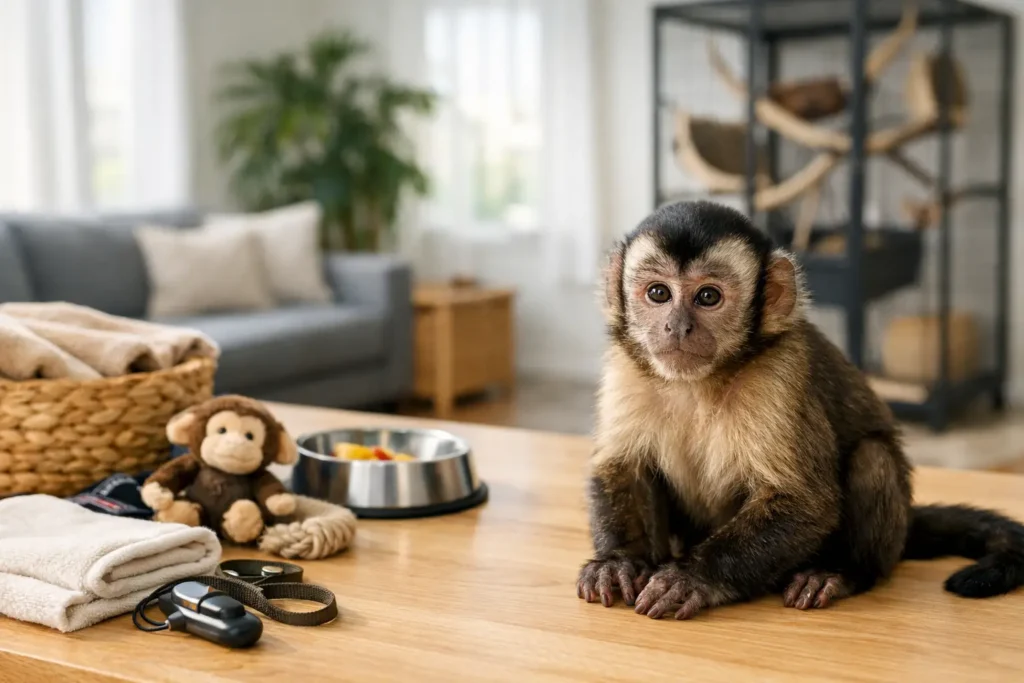
A suitable primate enclosure is not simply a large cage placed in a spare room. It is a secure, species-appropriate living space designed to protect the monkey, the household, and visitors. The right setup depends on the primate’s species, age, size, temperament, and local regulations.
Your enclosure plan should account for strong materials, secure locks, safe flooring, climbing opportunities, rest areas, and a practical cleaning routine. Primates are curious and agile. They test latches, reach for objects, and investigate every new sound, texture, and opening. A setup that seems adequate for a young infant may need adjustments as the animal grows more confident and capable.
Just as important, the space should support a rich daily life. Branches, swings, platforms, puzzle feeders, supervised exploration, and rotated enrichment items give a primate healthy ways to climb, forage, problem-solve, and engage. Enrichment is not an occasional treat. It is part of responsible care.
Plan for a quiet area as well. Like people, primates need rest and a predictable place to decompress. A home that is constantly loud, crowded, or unpredictable may require more intentional boundaries to support the animal’s comfort.
Choose Veterinary Care Before Homecoming
Specialized veterinary care is one of the most practical parts of preparing for monkey ownership. Not every veterinary practice treats primates, and waiting until an emergency to locate an experienced provider can put everyone in a difficult position.
Identify a qualified exotic or primate veterinarian within a reasonable distance, then discuss their availability for routine examinations, diagnostic needs, and urgent care. Ask what after-hours emergency coverage looks like and whether they can provide referrals if a more advanced specialty service is needed. Keep the clinic’s contact information readily available, along with your animal’s health records.
A well-raised baby should come with clear health documentation and appropriate veterinary oversight. Still, ongoing care remains the owner’s responsibility. Routine visits, preventive care, monitoring changes in appetite or behavior, and prompt attention to illness all belong in the ownership plan from day one.
Prepare for Daily Care That Changes With Age
Infant primates require close attention, and their schedules are not static. Feeding routines, social interaction, handling, enclosure needs, and behavioral expectations evolve as a monkey matures. Early bonding is valuable, but it should be supported by structure, patience, and species-informed care rather than treated as constant casual handling.
Nutrition also requires care. A primate’s diet should be developed with qualified veterinary input and tailored to the species and life stage. Fresh foods, appropriate commercial primate nutrition, and safe feeding practices are often part of the routine. Avoid the temptation to share household snacks or create a diet based on internet trends. What feels like a loving treat can create nutritional or behavioral problems over time.
Expect cleaning to be a daily responsibility. Food areas, water sources, surfaces, enrichment items, and bedding all need regular attention. A clean environment protects health and makes it easier to notice meaningful changes in droppings, appetite, activity, or behavior.
Make a Realistic Financial Plan
The initial cost of acquiring a primate is only one part of the investment. A responsible budget includes permits, a compliant enclosure, climate control where needed, enrichment materials, species-appropriate food, routine veterinary care, emergency veterinary expenses, transport, insurance requirements if applicable, and future upgrades as the animal grows.
Costs vary by species, location, and the condition of your home. An owner who already has a secure dedicated room may have different setup needs than someone building a custom enclosure from the ground up. What should not vary is the willingness to maintain quality care for the life of the animal.
A dedicated emergency fund is wise. Exotic veterinary treatment and unexpected enclosure repairs are not expenses that should depend on a last-minute solution. Financial preparation gives you more freedom to make decisions based on your primate’s welfare rather than immediate cost pressure.
Set Boundaries for Children, Guests, and Other Pets
A primate may become deeply attached to its caregivers, but that does not mean every person in the home will interact with the animal in the same way. Young children need close supervision, clear rules, and age-appropriate expectations. Guests should never be encouraged to handle or feed a primate simply because they are curious.
Other household pets require thoughtful management, too. Introductions and proximity should be approached cautiously, with safety as the priority. Even a friendly dog or cat can create stress, injury risk, or disease concerns. Your home should have a plan for separation, controlled interaction when appropriate, and safe movement between living spaces.
It also helps to create a communication routine for everyone in the household. Consistent feeding, handling, enrichment, and visitor rules reduce confusion for both people and primates. Clear boundaries are a form of care.
Preparing for Monkey Ownership Includes Support
No responsible owner should expect to know everything on the first day. The right placement process includes asking questions, listening carefully, and accepting guidance from experienced professionals. Species-specific education, health records, homecoming preparation, transport coordination, and continued mentorship can make the transition more organized and less stressful for both the family and the baby primate.
At Premier Primates, the goal is to help approved owners prepare deliberately, not rush toward a decision. A primate raised with love deserves a home that is equally intentional – legally prepared, safely equipped, financially stable, and ready to provide daily companionship for years to come.
The best time to show a future monkey that it will be valued as family is before it ever arrives: build the safe space, establish the care team, and make the commitment with open eyes and a full heart.