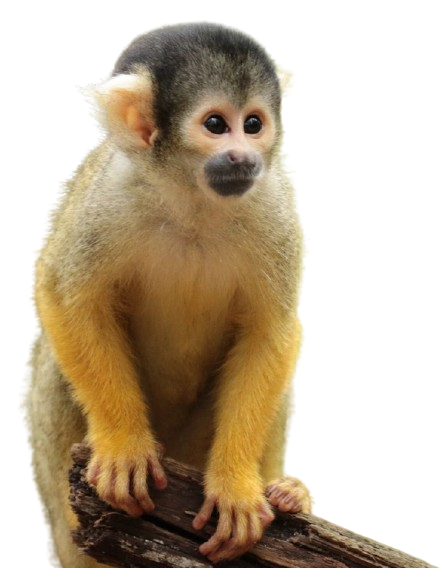
A tiny marmoset curled around a caregiver’s hand can make an immediate impression. Their expressive faces, soft calls, and intensely social nature are part of what draws people to baby marmoset monkeys for sale. But that first moment should lead to careful questions, not a quick decision. A marmoset is not a novelty pet or a small animal with small needs. It is an intelligent primate whose wellbeing depends on daily structure, specialized care, legal preparation, and a home ready to make a long-term commitment.
For the right approved home, a hand-raised marmoset can become a deeply engaging companion. For a home that is unprepared, the same qualities that make these animals extraordinary can become stressful for both the family and the monkey. Responsible placement starts with honesty about what ownership requires.
Baby Marmoset Monkeys for Sale Start With Responsible Placement
The most important part of finding a baby marmoset is not locating an available infant. It is confirming that ownership is legal where you live and that your household can meet the animal’s needs for years to come. Rules vary widely by state, county, city, and even neighborhood association. Some areas allow private ownership with permits, while others prohibit it altogether.
Before reserving a baby, research every level of regulation that may apply to your address. Ask what permits, inspections, records, or enclosure standards are required. Do not assume a state-level rule is the whole answer. Local ordinances can be more restrictive, and regulations can change.
A responsible breeder or placement partner should make legal preparation part of the conversation. At Premier Primates, the goal is to help approved buyers understand the questions they need to resolve before homecoming, rather than treating compliance as an afterthought. The final responsibility for legal ownership remains with the buyer, but clear guidance can prevent heartbreaking last-minute surprises.
Why the Infant Stage Matters
Marmosets are highly social primates. Early, gentle interaction can help an infant become accustomed to human caregivers, handling routines, feeding schedules, and a home environment. That does not mean a hand-raised baby will be effortless. It means the animal has had the benefit of consistent, attentive care during a sensitive developmental period.
When evaluating a baby marmoset, ask about more than age and appearance. Learn about the individual’s personality, current routine, feeding habits, socialization, veterinary examinations, and developmental progress. Some babies are naturally more curious and outgoing; others may need a quieter transition. Matching temperament to the household is just as meaningful as choosing a species.
A well-managed nursery environment also matters. Infants should receive attentive care, appropriate nutrition, clean housing, and regular observation. Veterinary oversight and transparent health information give prospective owners a clearer picture of the baby they may welcome into their family.
Prepare Your Home Before the Homecoming
A marmoset should never arrive to a home that is still figuring out where it will live. Your enclosure, safety plan, supplies, veterinary relationship, and household rules should be in place before transport is scheduled.
Enclosure Is More Than a Cage
Marmosets need a secure, species-appropriate living area with room to climb, explore, rest, and engage with enrichment. The enclosure must protect the animal from escapes, household hazards, other pets, extreme temperatures, and unauthorized contact. It should also be practical for cleaning and daily observation.
Vertical space is especially valuable because marmosets are active climbers. Branches, stable climbing structures, resting areas, and rotating enrichment help support natural movement and reduce boredom. The right setup depends on the animal, your climate, local requirements, and whether the enclosure is indoors, outdoors, or both. Planning for growth and daily use is wiser than building the bare minimum.
Your Household Needs Clear Boundaries
A marmoset can form strong bonds, but it is still a primate with instincts, communication patterns, and boundaries that differ from those of dogs and cats. Every adult in the household should understand feeding routines, sanitation, safe handling expectations, and when to give the animal space.
Children and visiting guests require close supervision. Other household pets must be managed carefully, even if they are generally gentle. A calm, predictable environment is usually more supportive than a busy home where the animal is passed from person to person.
Daily Care Is a Real Commitment
Prospective owners often ask how much time a marmoset requires. The honest answer is that care is woven throughout the day. Feeding, enclosure maintenance, enrichment, behavioral observation, social interaction, and health monitoring cannot be postponed because life gets busy.
A proper diet should be developed with qualified veterinary guidance and tailored to the species and life stage. Marmosets have specialized nutritional needs. Fresh, appropriate foods, formulated diet components, and safe feeding practices are part of responsible care. Guesswork, internet trends, or a diet built around convenience can create serious health consequences.
Enrichment is equally essential. These bright, active animals need changing opportunities to climb, search, manipulate safe objects, and engage with their environment. Enrichment is not an occasional treat. It is part of the daily care plan that helps support emotional health and appropriate behavior.
You will also need access to an experienced exotic-animal veterinarian before an emergency occurs. Ask local clinics whether they see marmosets, what after-hours support is available, and how far you would need to travel for specialized care. Routine wellness visits, prompt attention to changes in appetite or behavior, and good recordkeeping are part of being a prepared owner.
Budget for the Whole Life, Not Just the Initial Placement
The initial cost of a baby marmoset is only one part of ownership. Responsible buyers plan for enclosure construction, recurring food and enrichment, permits, transportation, veterinary care, routine supplies, and unexpected medical needs. A high-quality setup and experienced care team are investments in the animal’s wellbeing, not optional upgrades.
It is also wise to consider what happens when work, travel, illness, or family changes affect your availability. Who can safely follow the care routine? Is there a qualified boarding or emergency care option nearby? Do you have a financial reserve for urgent veterinary needs? A thoughtful plan protects the animal when life becomes unpredictable.
Questions to Ask Before You Reserve a Baby
A trustworthy placement process welcomes serious questions. You should expect clear information about the baby’s age, sex when known and appropriate to disclose, temperament, current diet, socialization, health history, and transition needs. Ask how transport is coordinated, what paperwork will be provided, and what support is available after homecoming.
You should also ask the harder questions. What behaviors may emerge as the marmoset matures? What does the breeder expect from the buyer’s enclosure and veterinary plan? What happens if a permit is denied? How will the baby be protected during travel? A seller who focuses only on a deposit or a fast pickup is not helping you make a responsible lifelong decision.
The best fit is not always the first available infant. It depends on your legal situation, experience, daily schedule, home environment, and willingness to follow a structured care plan. Taking time to be screened and prepared is a sign that the placement process is working as it should.
A Family Commitment Built on Preparation
Welcoming a marmoset means accepting a relationship that asks for patience, education, resources, and consistency. Their small size can be misleading. Their emotional intelligence, activity level, and specialized needs deserve the same seriousness you would give any lifelong family member.
If you are considering a baby marmoset, let preparation be your first act of care. Confirm the law, build the right environment, establish veterinary support, and choose a placement partner who values the animal’s future as much as you do. When every piece is ready, homecoming can begin with confidence, calm, and the kind of commitment a remarkable little primate deserves.