A baby primate may be small enough to hold in your hands, but the decision to bring one home affects your household for years. Choosing a USDA licensed primate breeder is one of the first steps toward a responsible placement, yet a license alone should never be the finish line. The right breeder helps you understand the animal, prepare your home, research local requirements, and make a decision that serves the primate’s lifelong well-being.
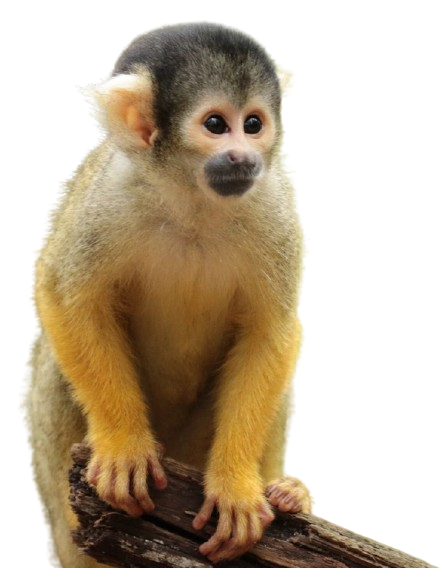
For qualified owners, a hand-raised Capuchin, Marmoset, or Squirrel monkey can become an extraordinary companion. They are intelligent, expressive, social animals with individual preferences and strong emotional needs. That is exactly why the breeder you choose matters as much as the species you choose.
What USDA Licensing Means for a Primate Breeder
USDA licensing generally refers to oversight under the Animal Welfare Act for certain commercial animal businesses, including breeders and dealers. A licensed facility is subject to federal standards involving areas such as animal housing, sanitation, veterinary care, handling, and recordkeeping. It is a meaningful accountability measure for anyone considering a primate from a commercial breeder.
Still, licensing is not a shortcut around careful evaluation. A USDA license does not decide whether a particular primate is right for your family, whether ownership is lawful where you live, or whether you are ready for the financial and daily responsibilities involved. Those questions require honest conversation, documentation, preparation, and a breeder who is willing to slow the process down when necessary.
A responsible program treats federal compliance as a foundation, not a selling point that replaces care. Look for a breeder who can clearly explain how infants are raised, how health is monitored, what support is available after placement, and what they expect from prospective owners.
Look Beyond the License Number
When evaluating a USDA licensed primate breeder, ask direct questions and pay attention to the quality of the answers. A knowledgeable breeder should be comfortable discussing care requirements in detail, including the parts that may feel inconvenient or expensive.
Start with the primate’s early environment. Infant primates need consistent, gentle interaction and appropriate social development. Ask how the breeder approaches nursery care, feeding routines, enrichment, handling, and transition planning. Human socialization can be an important part of preparing a baby for an approved private home, but it should never mean treating the animal like a toy or ignoring species-appropriate needs.
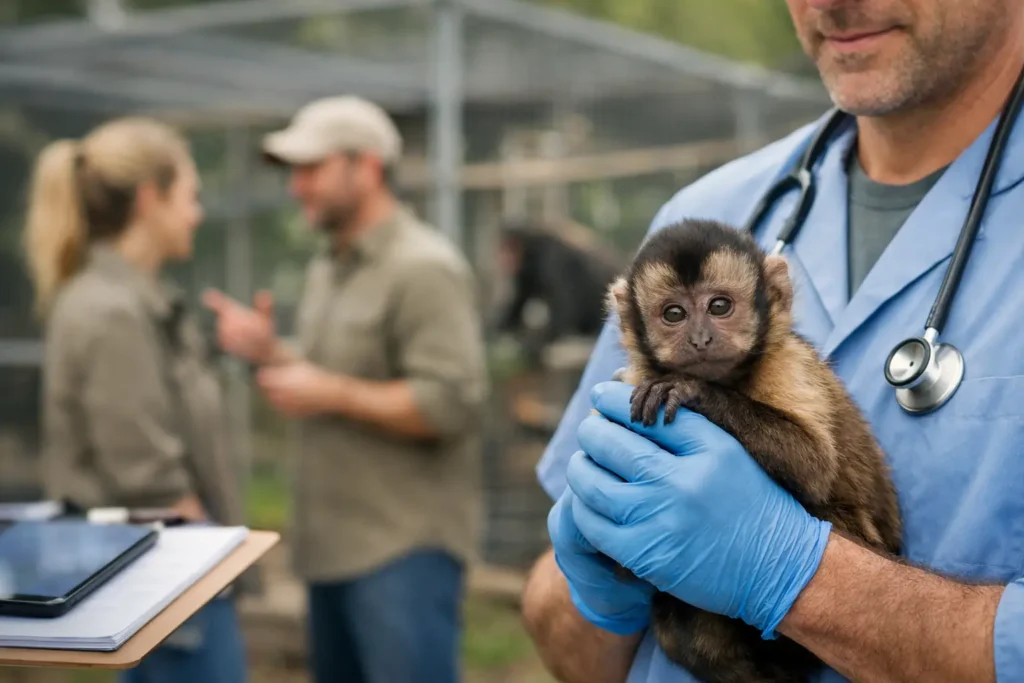
Health practices deserve the same level of attention. Ask whether the baby receives a veterinary examination before placement, what health records are provided, and how the breeder addresses known congenital or genetic concerns. Responsible breeders communicate clearly about what a health guarantee covers, how long it applies, and what owners should do if a veterinary concern arises after homecoming.
Temperament is another conversation worth having. No ethical breeder should promise that every primate will behave identically. Capuchins, Marmosets, and Squirrel monkeys each have distinct tendencies, and every infant has a personality of its own. The better question is whether the breeder knows the individual animal well enough to describe its habits, confidence level, social behavior, and care needs honestly.
Your Home Must Be Ready Before Your Primate Arrives
The best placements begin long before delivery day. A primate needs a secure, enriched living environment designed for safety, cleanliness, activity, and supervision. A spacious enclosure is not an optional accessory. It is a core part of responsible ownership.
Your setup should account for climbing, movement, feeding, sleeping, temperature needs, and daily enrichment. It must also prevent accidental escapes and protect the animal from household hazards, other pets, visitors, and unsupervised children. The exact enclosure plan depends on the species, the animal’s age, your climate, and local rules, which is why generic advice is rarely enough.
Think through the daily rhythm, too. Primates are highly interactive animals. They need attentive care, fresh food, cleaning, observation, structured activity, and social engagement every day. Travel, changing work schedules, illness, and family changes all require a backup plan. Before applying, identify qualified exotic-animal veterinary care and consider who can help in an emergency.
Financial preparation needs to be realistic. The initial purchase is only one part of the commitment. Owners should be prepared for enclosure construction, specialized nutrition, enrichment supplies, veterinary visits, diagnostic care, transport arrangements, permits where applicable, and the unexpected costs that can accompany any animal’s health needs.
Legal Research Is Part of Responsible Ownership
Federal breeder licensing does not make private primate ownership legal everywhere. State, county, and city regulations can differ sharply, and requirements may change over time. Some areas allow certain species with permits, while others restrict or prohibit private ownership entirely. Homeowners associations, lease agreements, and insurance policies can also create limitations.
A reputable breeder should encourage you to research these requirements before placing a deposit or making final plans. Guidance can be valuable, especially when you are trying to understand which agencies to contact and what documentation may be needed. But the approved owner remains responsible for confirming every applicable rule with the proper local and state authorities.
Do not wait until the baby is ready to travel. Permit reviews, enclosure inspections, or local approvals can take time. Starting early protects you, your household, and the primate from a rushed or unsuccessful placement.
Questions a Responsible Breeder Should Welcome
The conversation should feel thorough, not pressured. You are evaluating a long-term care partner, and a responsible breeder is evaluating whether your home can meet the needs of an intelligent, sensitive animal. That mutual screening is a positive sign.
Ask about these five areas before moving forward:
- The facility’s current USDA licensing status and the care standards followed in its breeding and nursery program.
- The infant’s veterinary history, records, health guarantees, and any genetic-condition policies.
- The species-specific expectations for diet, enclosure size, enrichment, behavior, and adult care.
- Your local ownership rules, permit obligations, and the documentation you may need before transport.
- Post-placement support, including delivery coordination, homecoming guidance, and access to experienced mentorship.
Also notice whether the breeder asks meaningful questions of you. They should want to know about your housing, experience, household members, schedule, veterinarian, legal readiness, and expectations. A breeder who promises immediate placement without discussing these realities may be focused on a transaction rather than the primate’s future.
Why Ongoing Support Changes the Ownership Experience
Even well-prepared owners will have questions after a primate comes home. The first days involve a major transition for both the baby and the family. Feeding schedules, settling routines, new sounds, enclosure adjustments, and early bonding all benefit from calm, informed guidance.
That is why a full-service placement approach matters. At Premier Primates, the goal is not simply to place a hand-raised baby with a buyer. It is to help approved owners prepare for a legal, thoughtful homecoming and offer continued mentorship as the relationship develops. A primate should be welcomed as a family member, with the preparation and respect that commitment requires.
Support is especially valuable as a baby grows. Needs change over time, and owners may need help interpreting behavior, refining enrichment, coordinating veterinary care, or adapting their routine. No breeder can remove every challenge from exotic-animal ownership, but an experienced, available guide can make those challenges more manageable.
Choose Deliberately, Then Welcome Them With Confidence
The right breeder will never make primate ownership sound effortless. They will be warm and encouraging while remaining clear about permits, veterinary access, housing standards, cost, daily care, and the animal’s social needs. That balance is a sign of respect for both the future owner and the primate.
If your household is prepared to make a genuine long-term commitment, take the time to ask better questions, verify the details, and build your plan before choosing an infant. A carefully prepared home gives a baby primate something far more meaningful than a destination: a safe, attentive place to belong.