A baby primate’s trip home is not an ordinary pet delivery. The hours between the nursery and your door can shape how secure, hydrated, and settled your new companion feels in the first days with your family. Responsible exotic animal transport is a carefully coordinated part of placement, built around the animal’s welfare, legal requirements, and a calm transition into a prepared home.
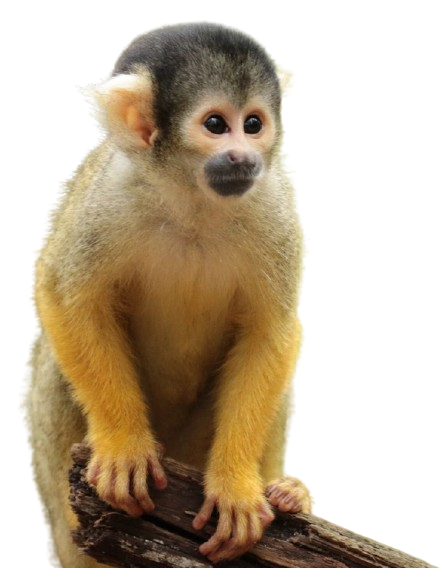
For a Capuchin, Marmoset, or Squirrel monkey, transport should never be treated as an afterthought. These are intelligent, highly social animals with specific temperature, feeding, handling, and veterinary needs. A thoughtful plan helps protect the bond formed through early socialization while giving approved owners a clear, confident path to homecoming.
Transport Begins Long Before Travel Day
The safest trip starts before a date is placed on the calendar. Before transport can be arranged, the receiving household should have completed the required screening, confirmed that private ownership is permitted where they live, and prepared the appropriate documentation. State, county, and city rules can differ significantly, and some locations restrict or prohibit primate ownership altogether.
Permits, if required, need to be in place before an animal travels. This is not paperwork to handle after arrival. A responsible placement process also considers whether the owner has access to a qualified exotic veterinarian, a compliant enclosure, and the daily support system needed for lifelong primate care.
Travel timing depends on several practical factors: the species and age of the animal, weather conditions, the distance involved, carrier availability, and the readiness of the home. Waiting for the right conditions may feel difficult when you are excited to welcome a new family member, but it is often the kindest decision for the primate.
The Health Check Comes First
A transport plan should be tied to current veterinary oversight. Before travel, the primate should be evaluated according to the breeder’s health protocol and be fit for the planned journey. Health records and any required travel documentation should be organized ahead of time, not rushed at the last minute.
Young primates are especially vulnerable to disruption. They need consistent nutrition, appropriate warmth, careful observation, and experienced handling. The goal is not simply to get from one location to another. It is to preserve the animal’s comfort and stability throughout the transition.
What Safe Exotic Animal Transport Looks Like
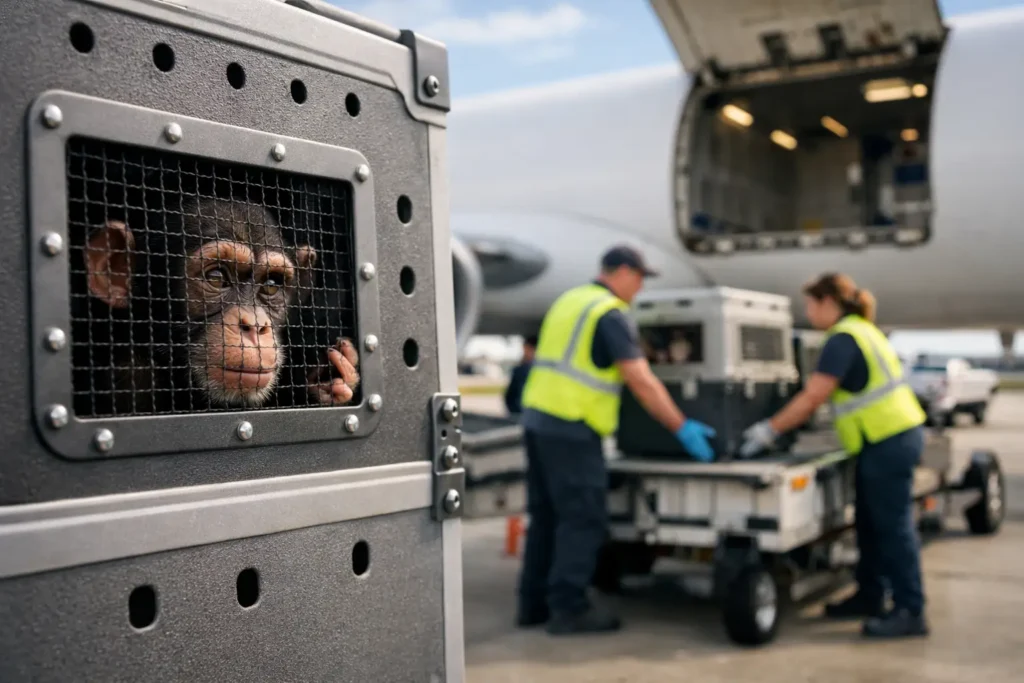
Professional exotic animal transport is designed around welfare rather than convenience. The correct travel method can vary. A shorter ground route may be the best fit in some circumstances, while a longer-distance arrangement may require a different coordinated solution. The details depend on the individual animal and the destination.
A suitable travel environment is secure, clean, temperature-conscious, and appropriately sized for the primate. It should minimize unnecessary noise, handling, and exposure to unfamiliar people or animals. Carriers must be properly enclosed and managed by people who understand that a primate is not a package and should never be handled like one.
Communication matters just as much as logistics. Approved owners should understand the expected arrival window, who will be present for the handoff, what supplies to have ready, and how to respond if travel plans need to change because of weather or animal welfare concerns. Reliable coordination reduces stress for everyone involved.
At Premier Primates, transport coordination is part of a larger placement process that centers on preparation, responsible ownership, and continued support after homecoming. That wider approach matters because delivery is only one moment in a relationship that can last decades.
Your Home Should Be Ready Before Arrival
A primate should arrive to a quiet, secure space, not a home still being assembled. The primary enclosure or designated introductory habitat should be ready, clean, and checked for safety before travel day. Temperature, lighting, climbing opportunities, feeding dishes, and secure latches all deserve attention.
The first day is not the time to invite friends over, introduce other pets, or test every new toy. A young primate needs a peaceful opportunity to observe, rest, eat, and begin recognizing the voices and routines of the people who will care for them. Keep the handoff calm and limit activity around the arrival area.
Your veterinarian should also be part of the plan before your companion comes home. Know whom to call for routine care and who can assist if an urgent concern arises. Exotic veterinary care is specialized, and establishing that relationship early is a responsible part of ownership.
Prepare a First-Week Routine
Consistency helps a primate adjust. Follow the feeding, handling, and sleep guidance provided for your specific animal, especially during the first week. Abrupt dietary changes or excessive handling can add stress at a time when your new companion is already adapting to a different environment.
It is wise to plan for a quieter schedule during those early days. The people primarily responsible for care should be present, patient, and prepared to follow the established routine. Children and visitors should be supervised and introduced gradually, if at all, based on the animal’s comfort and the guidance provided.
Why Buyer Pickup Is Not Always the Best Choice
Some future owners assume that personally picking up a baby primate is automatically the most loving option. In reality, it depends. A long car ride with an unprepared owner, frequent stops, changing temperatures, and unfamiliar handling can create more stress than a professionally coordinated transport arrangement.
That does not mean every situation is identical. Distance, weather, the animal’s needs, legal requirements, and the owner’s experience all matter. The right question is not, “What is easiest for me?” It is, “What travel plan best supports this individual primate?”
A reputable breeder or placement provider should be willing to discuss the reasoning behind the chosen plan. If a trip must be delayed, if a route needs adjustment, or if conditions are not suitable, animal welfare should remain the deciding factor.
Red Flags to Avoid
Be cautious of anyone who treats primate transport as a quick shipping transaction. A responsible provider will not dismiss permit questions, encourage a buyer to hide ownership from local authorities, or promise that every destination can be served regardless of law and weather.
You should also be wary of vague health information, rushed payment pressure, unclear delivery arrangements, or a refusal to discuss what happens after the animal arrives. Transport is connected to the animal’s entire care plan. If the seller cannot explain preparation, veterinary status, legal considerations, and homecoming expectations, that is a serious concern.
Responsible exotic ownership requires honesty. A primate is a lifelong companion with complex emotional and physical needs, not an impulse purchase or a novelty delivery.
A Calm Arrival Sets the Right Tone
When your new companion arrives, focus on reassurance rather than excitement. Have the prepared space ready, keep voices low, and allow the transition to unfold at the animal’s pace. Follow the care instructions you have been given, observe eating and behavior closely, and reach out for experienced guidance if something feels off.
The best transport experience is often the one that feels quiet and uneventful. It reflects careful planning, respect for the animal, and a family ready to provide the secure, loving home their primate deserves.