A baby primate may be small enough to hold in one arm, but the relationship you are considering will shape your household for years. Primate personality matching is the thoughtful process of looking beyond appearance or species and considering the individual animal in front of you: their confidence, curiosity, activity level, comfort with handling, and need for interaction.
For the right approved home, a hand-raised primate can become a deeply engaging family companion. But no responsible placement should begin with, “Which one is cutest?” The better question is, “Which temperament can our household truly support with consistency, patience, structure, and lifelong care?”
Why Primate Personality Matching Matters
Every primate has an individual personality. Even infants of the same species, raised with attentive nursery socialization and veterinary oversight, can show very different preferences. One may eagerly investigate every new sound and toy. Another may take time to observe before approaching. One may thrive in a lively, hands-on home, while another may be more comfortable with a steady, predictable routine.
Those differences matter because primates are intelligent, emotionally responsive animals. They notice changes in their environment, respond to the people around them, and need daily enrichment that challenges both body and mind. A match based only on size, coloring, or a brief first impression can overlook the qualities that matter after homecoming.
The goal is not to find a “perfect” monkey. There is no companion animal without needs, moods, or learning curves. The goal is to place the right individual with a prepared owner who understands that a primate is a family member, not a novelty or an occasional hobby.
Start With Your Household, Not the Available Infant
A good match begins with an honest view of daily life. Consider the pace of your home, the people who live there, the time available for supervised interaction, and your willingness to maintain a safe, compliant enclosure. Your answers help determine what type of personality may be most comfortable in your care.
A calm household with a reliable routine may be well suited to an infant who is observant and slower to warm up. That owner must still be ready to provide patient, consistent engagement rather than expecting instant confidence. A more active household may appreciate a highly curious, playful youngster, but activity alone does not equal readiness. High-energy primates require more supervision, more enrichment, and a stronger commitment to managing their environment safely.
Household members should be part of the conversation before an application moves forward. If children are present, adults must remain fully responsible for all care, handling decisions, enclosure safety, feeding, veterinary planning, and compliance. A primate should never be purchased with the expectation that a child will take on its daily needs.
It also helps to think about change. Work schedules shift. Families travel. Homes are renovated. A sound placement plan accounts for these realities before the animal arrives. The right owner has backup care arrangements, financial resources for specialized needs, and the maturity to place the primate’s welfare ahead of convenience.
The Temperament Traits That Shape Daily Life
Personality is not a label stamped on an infant. It develops over time and is influenced by care, routine, health, enrichment, and the quality of the relationship built at home. Still, early observations can offer useful guidance when interpreted with care.
Confidence and curiosity
Confident, curious infants often engage quickly with people, toys, and new enrichment. They can be joyful, expressive companions for prepared owners who enjoy active daily interaction. At the same time, curiosity means they need thoughtful supervision. An intelligent primate will test boundaries, investigate objects, and look for opportunities to explore.
A more reserved infant is not less loving or less desirable. Some simply prefer time to assess a new situation. In a patient home, that careful nature can develop into a close, trusting bond. Owners should avoid forcing interaction and instead build confidence through gentle routines, appropriate handling, and positive daily experiences.
Energy and play style
Primate energy is not a minor detail. It affects enrichment planning, handling expectations, enclosure design, and the rhythm of the entire household. Highly active animals need frequent opportunities to climb, forage, manipulate safe objects, and engage with their caregivers. Their enthusiasm can be wonderful, but it is not a fit for someone seeking a low-maintenance companion.
A less frenetic personality may feel easier at first, yet every primate still needs regular activity and mental stimulation. Quiet does not mean independent. A primate who is sitting calmly may still be closely tracking people, sounds, and changes in the room.
Affection and comfort with handling
Hand-raised infants can form strong attachments with their caregivers, but affection should never be treated as a guarantee of constant cuddling. Like people, primates have individual preferences and changing comfort levels. Respectful handling, predictable routines, and reading body language are essential to developing trust.
The best match is an owner who values the relationship on the animal’s terms. That means appreciating playful moments and close contact while also recognizing when the primate needs rest, space, or a calmer environment.
Adaptability and sensitivity
Some primates adjust readily to new toys, noises, and familiar visitors. Others are more sensitive to disruption. Neither trait is automatically better. Adaptable animals may do well with owners who can provide varied, carefully managed enrichment. Sensitive animals may flourish with households that prioritize consistency and a quieter pace.
What matters is whether the home can meet that individual where they are. Trying to make a sensitive primate live like a bold one, or expecting a highly active primate to remain content with limited stimulation, creates stress for everyone.
Species Matters, but the Individual Comes First
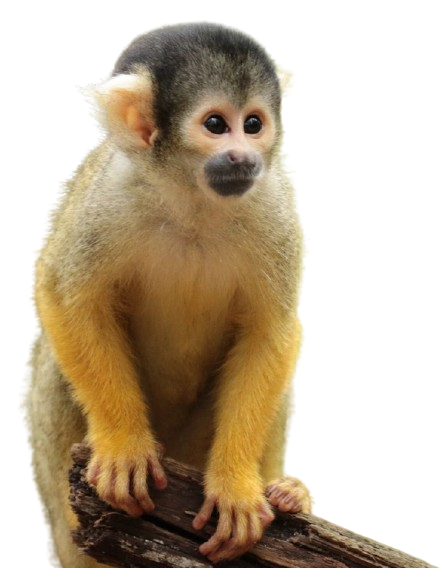
Capuchin monkeys, Marmoset monkeys, and Squirrel monkeys each have characteristics that prospective owners should study carefully. Their size, social behaviors, enrichment needs, dietary considerations, and care requirements differ. Species research is a necessary first step, especially when preparing permits, housing, veterinary access, and a long-term budget.
Still, species should narrow the conversation, not end it. Two Capuchins can have very different energy and interaction styles. The same is true among Marmosets and Squirrel monkeys. A responsible breeder or placement team should be able to discuss the individual infant’s observed temperament, routine, and developmental needs rather than relying on broad species stereotypes alone.
This is also where expectations deserve a candid check. Private primate ownership is not legal in every state, county, or city, and requirements can change. Approval depends on more than finding an infant whose personality feels appealing. It requires legal research, proper permits where applicable, a suitable enclosure, specialized veterinary planning, and the resources to provide excellent care throughout the animal’s life.
Questions That Lead to a Better Match
Before selecting an infant, prospective owners should be prepared to discuss how they live and how they will care for a primate on ordinary days, not just on the day of homecoming. A thoughtful placement conversation may cover your household routine, prior animal experience, available space, travel plans, veterinary options, and understanding of local regulations.
You should also ask direct questions about the individual animal. How does the infant respond to familiar caregivers? Do they approach new enrichment quickly or cautiously? What is their typical activity level? What daily routine have they known so far? Are there handling practices or comfort cues that will help make the transition easier?
These questions are not obstacles to a purchase. They are part of responsible preparation. At Premier Primates, the placement process is designed to help approved families understand both the joy and the responsibility ahead, with guidance that continues beyond delivery.
Prepare the Home for the Personality You Choose
A successful match can be weakened by an unprepared environment. Before homecoming, your enclosure, supplies, enrichment plan, veterinary relationship, and legal documentation should be in place. This reduces avoidable stress and gives the infant a stable beginning in their new family.
For a more energetic and inquisitive primate, preparation may mean expanding the variety of safe enrichment and ensuring the enclosure supports climbing, movement, and supervised interaction. For a more cautious infant, it may mean creating a quieter transition area and following familiar routines closely during the first days. In either case, consistency matters more than trying to create excitement.
Your commitment also needs room to grow. An infant’s needs will change as they mature, and a responsible owner adapts with them. That includes continuing education, maintaining veterinary care, refreshing enrichment, reviewing legal obligations, and reaching out for experienced guidance when a question arises.
The right primate match is not defined by an instant connection alone. It is built when a prepared family sees an individual animal clearly, accepts the responsibility with open eyes, and offers the steady care that lets trust grow day by day. That is how a carefully chosen companion is welcomed not just into a home, but into a family.