A baby primate may fit in your arms at homecoming, but the decision reaches far beyond that first unforgettable moment. When people search for primates for sale, the right next step is not a quick checkout. It is an honest look at legal requirements, home preparation, specialized care, and the years of companionship ahead.
A well-raised primate can be deeply engaging, affectionate, and full of personality. They are also intelligent, social animals with needs that do not pause when life gets busy. The best placements begin with families who welcome that responsibility and prepare carefully before choosing an infant.
Primates for Sale Start With the Right Home
Private primate ownership is not the same as adding a conventional pet to the household. Capuchin monkeys, marmoset monkeys, and squirrel monkeys each have their own size, behavior, diet, enrichment, and handling considerations. Temperament matters too. Some infants are especially outgoing, while others may be more observant or settle in best with a quieter routine.
The right match depends on your household, daily schedule, prior animal experience, available space, and willingness to maintain structured care. A thoughtful breeder or placement team should discuss those details with you rather than treating every family and every primate as interchangeable.
Before moving forward, consider whether everyone in your home understands the commitment. Primates thrive on consistent interaction and attentive care. They are not suitable for families looking for a low-maintenance novelty animal, an occasional companion, or a pet that can spend long periods alone.
Choose the Species With Care Needs in Mind
Capuchins are often admired for their expressive personalities and high intelligence. Their curiosity makes enrichment, supervision, and secure housing especially important. Marmosets are smaller, but smaller does not mean simple. They need carefully managed nutrition, appropriate warmth, social attention, and an enclosure designed for their movement and safety.
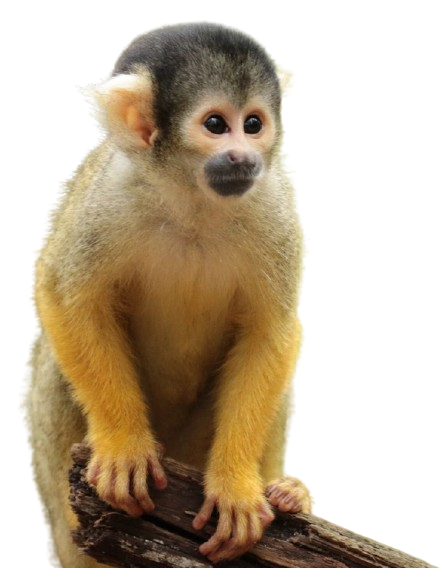
Squirrel monkeys are lively, social, and active. A prospective owner should be ready for an animal that needs room to climb, explore, and engage with daily routines. No species is automatically the easiest choice. The best choice is the individual infant and species whose needs your household is truly equipped to meet.
Confirm Ownership Laws Before You Reserve
Primate laws can vary dramatically by state, county, and city. Some areas allow private ownership with permits or specific documentation. Others restrict or prohibit ownership altogether. Zoning rules, homeowners association policies, lease terms, and animal-control regulations can also affect whether a primate may be kept at your address.
This research should happen early, before an application is approved or an enclosure is built. Responsible ownership means understanding not only whether a state permit may be required, but also what inspections, recordkeeping, veterinary documentation, or facility standards may apply.
A reputable placement program can help guide your permit research, but the owner remains responsible for complying with every applicable rule. Regulations can change, and local requirements may be more restrictive than state law. A clear legal path protects your family, your community, and most importantly, the primate depending on you.
Build a Safe, Enriching Environment
An appropriate primate enclosure is more than a cage. It is a secure, clean, climate-conscious living space that supports movement, rest, feeding, and enrichment. Construction requirements depend on the species, age, local rules, and the layout of your property, but safety must always come first.
A prepared home has reliable barriers, secure locks, appropriate climbing opportunities, protected food and water areas, and a plan for cleaning and sanitation. It should also account for weather, temperature changes, household traffic, other animals, and children. Primates are agile problem-solvers, so an enclosure that seems adequate at first glance may need stronger safeguards than expected.
Enrichment is a daily responsibility, not an occasional extra. Rotating approved toys, offering supervised interaction, creating opportunities to climb and forage, and maintaining a predictable routine can help support healthy behavior. Boredom and isolation can lead to stress, so owners need to remain actively involved throughout the primate’s life.
Plan for Veterinary Care and Daily Costs
One of the most overlooked parts of private primate ownership is access to an experienced exotic-animal veterinarian. Do not wait until an emergency to identify a qualified provider. Before homecoming, confirm who will provide wellness exams, preventive care, urgent care, and guidance on diet or behavioral concerns.
Daily care also involves more than feeding. Owners must be ready to manage species-appropriate nutrition, sanitation, safe handling, enrichment supplies, enclosure maintenance, and transportation needs. Costs vary by species, region, housing design, veterinary availability, and permit obligations, which is why a realistic long-term budget matters more than a single purchase figure.
Health documentation and veterinary examination should be central to any responsible placement. Ask clear questions about the infant’s early care, medical review, feeding routine, genetic-condition protections, and the transition plan for bringing the primate into your home. A trustworthy provider should welcome those questions.
Expect a Careful Placement Process
The strongest breeders do not place infants into every interested home. Screening is an act of care. It helps confirm that a prospective owner has a legal path, appropriate living arrangements, financial readiness, and a genuine understanding of what life with a primate requires.
That process may include an application, conversations about your household, discussions of species preferences, proof of permits where required, and enclosure preparation. While it can feel more involved than purchasing a typical pet, the extra steps are designed to create a safer, more stable future for the animal.
Transportation deserves the same level of planning. A young primate needs a calm, carefully coordinated trip and a home that is ready upon arrival. Delivery arrangements should be handled with the animal’s welfare in mind, with clear communication about timing, receiving procedures, and the first days of adjustment.
The First Weeks at Home Set the Tone
Homecoming should be quiet, organized, and unhurried. Prepare the enclosure, food, supplies, and veterinary contact information before your infant arrives. Limit unnecessary commotion, introduce routines gradually, and follow the care guidance provided for that individual primate.
Consistency builds trust. Feeding on schedule, maintaining safe handling practices, offering enrichment, and allowing the infant time to become comfortable with new surroundings can make the transition smoother. Every primate adjusts differently, so patience is essential.
Ongoing mentorship can be especially valuable during this period. Questions will arise about behavior, feeding, enrichment, and household routines. Families should have access to knowledgeable guidance rather than being left to interpret every change on their own.
A Lifelong Companion Deserves a Lifelong Plan
A primate is not an impulse purchase or a short-term experience. Their care may span many years, through changes in work schedules, family circumstances, travel plans, and housing. Responsible owners think ahead about backup caregivers, emergency plans, veterinary continuity, and what happens if they can no longer provide the necessary care.
At Premier Primates, the goal is to help approved families move forward with clarity, preparation, and the support expected when welcoming a remarkable animal into the family. The most rewarding primate relationships begin when affection is matched by patience, legal readiness, and a commitment to meet the animal’s needs every single day.
If you are ready to take that responsibility seriously, let preparation be your first act of care. A thoughtfully chosen, properly supported primate home is where a lifelong bond has the best chance to grow.