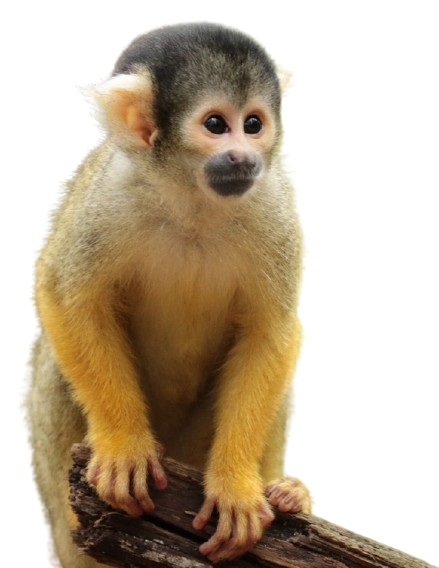
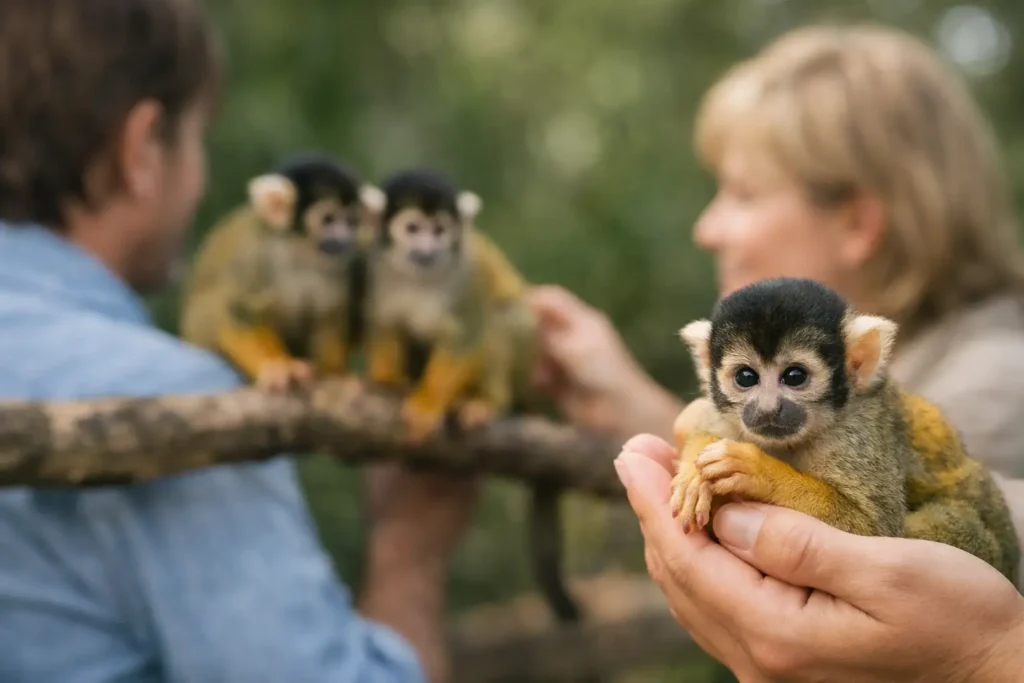
A squirrel monkey may be small, bright-eyed, and deeply engaging, but welcoming one home is not a casual pet purchase. The right squirrel monkey breeder should make the process feel more thoughtful, not easier to rush. From legal research and nursery socialization to veterinary preparation and long-term support, every detail matters when you are considering a companion that can be part of your family for many years.
At Premier Primates, we believe a successful placement begins well before a baby squirrel monkey comes home. It begins with an honest conversation about your household, your local regulations, your ability to provide daily interaction, and the specialized care an intelligent primate requires.
What a Responsible Squirrel Monkey Breeder Should Provide
A breeder’s role extends beyond offering an available infant. Responsible breeding and placement involve careful early care, health oversight, transparent communication, and an ongoing commitment to the animal’s wellbeing after placement.
Look for a breeder that can clearly explain how babies are raised and socialized. Early, positive human interaction can help a young squirrel monkey become accustomed to routine handling, feeding, and the sights and sounds of a home environment. That does not mean a squirrel monkey is low-maintenance or will behave like a traditional household pet. It means the animal has had a thoughtful beginning and that you have a clearer picture of its individual personality.
A quality placement program should also discuss veterinary examination, health records, nutrition, age, and developmental needs. Ask direct questions about the baby’s current routine, including feeding schedule, preferred foods, sleep patterns, social needs, and handling experience. A knowledgeable breeder should welcome those questions and answer them plainly.
USDA licensing is another meaningful point to verify when evaluating a breeder. Licensing does not remove the need for personal due diligence, but it signals that a breeder operates within a regulated framework. You should also expect clear information about any stated health guarantees and the steps taken to monitor an infant’s wellbeing before travel.
Legal Readiness Comes Before a Reservation
Private primate ownership laws vary widely across the United States. A squirrel monkey may be permitted in one area, restricted in another, or subject to state, county, city, zoning, or permitting requirements. Rules can also change over time.
Before moving forward, research every level of regulation that applies to your address. Do not rely on a neighbor’s experience, a social media post, or a rule from a nearby county. Contact the appropriate state wildlife agency, local animal control office, zoning department, and homeowners association if applicable. Keep written records of the guidance you receive.
A responsible breeder can help you understand the questions to ask and the documents you may need to pursue. However, the future owner remains responsible for confirming that ownership is legal and for meeting all permit, housing, and reporting requirements. This is an essential part of protecting both your household and your future primate.
Nursery Care and Socialization Matter
The earliest weeks of a squirrel monkey’s life influence how it responds to people, routines, and new environments. Babies need careful nutrition, warmth, monitoring, and species-appropriate social development. For a prospective owner, it is reasonable to ask how the nursery approaches those needs.
Human socialization should be gentle and consistent rather than overstimulating. Babies benefit from calm handling and exposure to ordinary household rhythms, but they also need appropriate rest and attentive care. A breeder should never present a young primate as a novelty or promise that early socialization eliminates normal species behaviors.
Squirrel monkeys are active, social, curious animals. Even hand-raised infants mature, develop preferences, test boundaries, and need meaningful daily engagement. The most trustworthy breeders are candid about that reality. They want to place a baby with someone prepared for the full commitment, not simply someone drawn to an adorable photo.
Ask About the Individual Baby
No two squirrel monkeys have the same temperament. One infant may be especially outgoing and eager to interact, while another may be quieter or need more time to adjust. Ask for details that go beyond age and appearance. Learn about the baby’s personality, current habits, comfort with handling, and any care considerations that will help make the transition home more comfortable.
That individual attention is especially valuable because a good match is not only about choosing a species. It is about matching a particular animal with a household that understands the responsibility ahead.
Prepare Your Home Before Delivery
A squirrel monkey needs more than a spare bedroom and a cage purchased at the last minute. Safe housing requires planning, appropriate materials, secure locks, suitable climbing and enrichment opportunities, and an environment that can be cleaned and maintained consistently. Enclosure expectations may also be shaped by permit conditions or local regulations.
Your home preparation should account for temperature, ventilation, safety, privacy, and supervision. Squirrel monkeys are agile and inquisitive. Their living space must prevent escapes and protect them from household hazards, while giving them room and stimulation to express natural movement and curiosity.
Daily care also requires time. Feeding, cleaning, enrichment, observation, and interaction cannot be treated as occasional tasks. Before bringing a baby home, decide who in the household will handle each responsibility and what happens if travel, illness, work demands, or an emergency interrupts the usual routine.
You will also need access to a veterinarian with relevant exotic or primate experience. Establishing that relationship before homecoming is much wiser than searching for specialized care during an urgent situation. Ask about appointment availability, emergency protocols, and the practice’s comfort level treating squirrel monkeys.
Consider the Real Financial and Time Commitment
The initial cost of a baby squirrel monkey is only one part of ownership. Permits, enclosure construction, climate control, specialized nutrition, enrichment, veterinary care, transport, supplies, and contingency planning all deserve a place in your budget.
The time commitment is just as significant. Squirrel monkeys need structure and interaction every day, not only when it is convenient. They can be affectionate and wonderfully expressive companions, but they are not accessories, weekend hobbies, or animals to be passed from home to home when life becomes busy.
It depends on your household whether private primate ownership is a realistic fit. A family with the resources to build an appropriate enclosure and maintain a dependable care routine may be well positioned. A household with frequent unplanned travel, limited privacy, uncertain local rules, or no specialized veterinary access may need to pause. Choosing not to move forward when the conditions are not right is a responsible decision.
What Ongoing Support Should Look Like
A placement relationship should not end when transportation is arranged. New owners often have practical questions during the first days and weeks at home: How can we maintain the baby’s established routine? What should we expect during adjustment? How do we introduce new enrichment safely? When is a behavior change worth a veterinary call?
Ongoing mentorship gives owners a knowledgeable point of contact as they settle into this new responsibility. It does not replace veterinary care or legal compliance, but it can provide reassurance and practical continuity from nursery to home.
Safe, coordinated transport also deserves attention. A baby squirrel monkey’s trip should be planned around the animal’s comfort and safety, with clear communication about timing, receiving arrangements, and what you need ready upon arrival. Bringing home a primate should feel organized and calm, not like a rushed handoff.
A Decision Worth Taking Slowly
The best squirrel monkey breeder will not pressure you to make a fast decision. Instead, they will help you examine whether your home, schedule, finances, legal standing, and long-term expectations align with the needs of a highly social primate.
If you are prepared to provide a secure environment, daily care, specialized veterinary support, and a lifetime of patient attention, the journey can begin with confidence. Take the time to ask careful questions now. Your future companion deserves a home that is ready to welcome them with love and keep choosing their wellbeing every day.