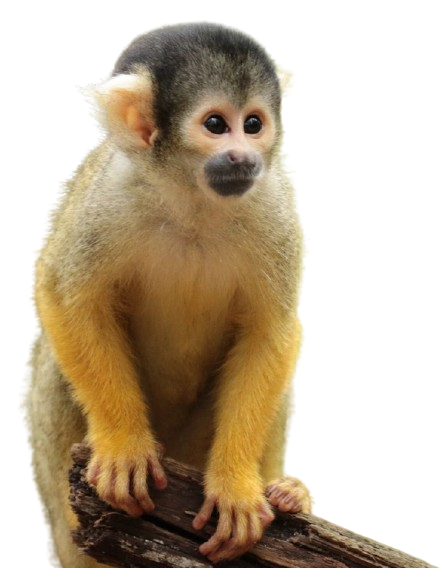
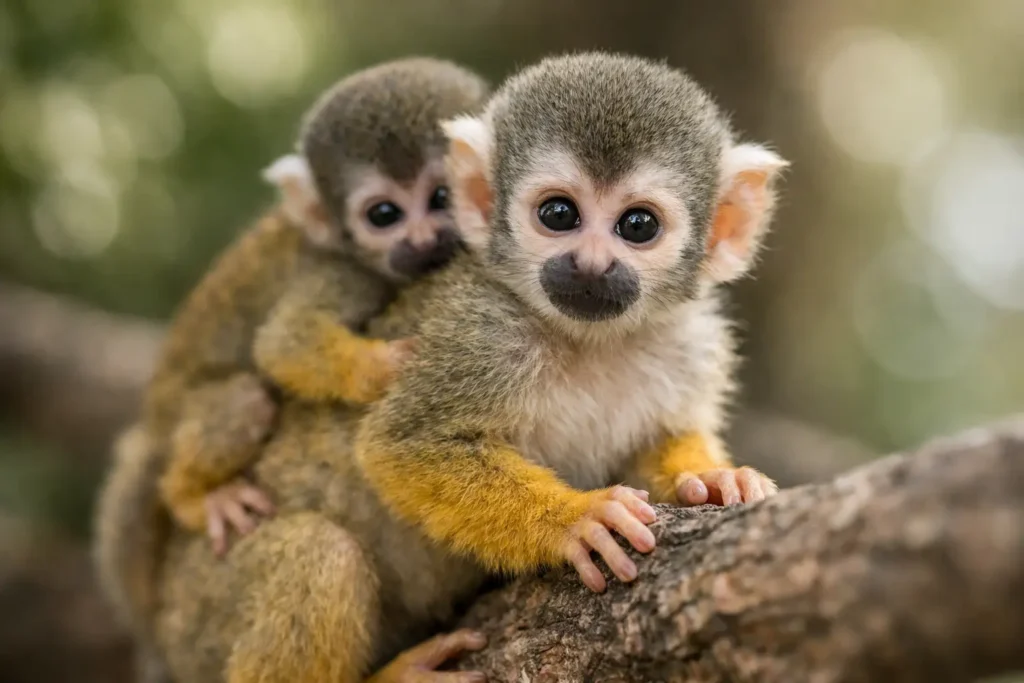
A baby squirrel monkey can fit in your hands, but the decision to welcome one home carries a lifetime of responsibility. When people search for baby squirrel monkeys for sale, they are often drawn to a bright-eyed, highly interactive companion. The right next question is not simply which infant is available. It is whether your home, schedule, local laws, budget, and long-term plans are ready for a social primate.
Squirrel monkeys are intelligent, athletic, expressive animals with needs far beyond those of a traditional household pet. For approved owners, a hand-raised infant can become a deeply engaging member of the family. That relationship begins best with careful preparation, honest expectations, and a placement partner who remains available after homecoming.
Why Squirrel Monkey Ownership Is Different
Squirrel monkeys are small-bodied primates, but their care requirements are substantial. Their curiosity, speed, climbing ability, and social awareness mean they need daily interaction, a carefully designed environment, specialized nutrition, and dependable veterinary access. A cute baby stage is only one brief chapter of a monkey’s life.
These animals also form strong bonds. An infant that has received consistent, respectful human interaction may be affectionate and eager to engage with its caregivers. Yet affection is not the same as low maintenance. Squirrel monkeys need structure, enrichment, and patient handling as they grow and develop their own personalities.
A future owner should be prepared for noise, mess, supervision needs, and meaningful changes to household routines. They may be wonderful companions for the right person, but they are not a fit for every family, even families with prior pet experience.
Before Looking at Baby Squirrel Monkeys for Sale
The first stage of a responsible placement is confirming that ownership is legal where you live. Primate laws can vary by state, county, city, homeowners association, and rental agreement. Some locations prohibit private primate ownership outright. Others require permits, inspections, liability coverage, veterinary documentation, or specific enclosure standards.
Never assume that a state-level rule is the only rule that applies. Local ordinances can be more restrictive, and regulations can change. Start your research before selecting an infant or making travel plans. A responsible breeder or placement team can provide guidance on the questions to ask, but the owner remains responsible for meeting every applicable requirement.
Your household should also be fully aligned. Everyone who lives in the home needs to understand that a squirrel monkey is not an occasional hobby or a child’s novelty. Consider who will provide care during workdays, vacations, emergencies, illness, and life changes. If your household is not ready to make that commitment together, waiting is the kindest choice.
A Home Designed for a Primate
A compliant, secure enclosure is a foundation of responsible squirrel monkey care. The space must protect the monkey from escape, household hazards, weather exposure, and unsupervised interactions with other animals. It also needs to give an active primate room to climb, move, observe, and rest.
Good enclosure planning considers more than square footage. Materials must be safe and durable, doors should have secure entry procedures, and the layout should allow for regular cleaning. Temperature control, sheltered areas, natural light patterns, climbing structures, resting areas, and rotating enrichment all matter. The goal is not simply containment. It is a stable living environment that supports normal, active behavior.
Indoor family time can be an important part of bonding, but it should never replace a suitable primary enclosure. A squirrel monkey requires attentive supervision whenever it is outside its secured space. Open doors, toxic plants, cords, ceiling fans, other pets, and small household objects can quickly become serious risks.
The Daily Care Commitment
Squirrel monkeys thrive on a predictable rhythm. Their day should include nutritious meals, fresh water, cleaning, observation, enrichment, and direct social interaction. Their dietary needs are specialized, and owners should follow professional guidance rather than attempting to build a diet from internet trends or convenience foods.
Enrichment is equally essential. Puzzle feeders, safe climbing opportunities, changing textures, foraging activities, and carefully selected toys give an intelligent primate healthy ways to investigate its surroundings. Enrichment should be rotated and monitored, not treated as a one-time purchase.
Daily care also means learning to notice subtle changes. Reduced appetite, unusual stool, changes in activity, withdrawal, aggression, respiratory signs, or grooming changes can warrant prompt attention. Because veterinary care for primates is specialized, identifying a qualified veterinarian before homecoming is one of the most important preparations an owner can make.
Choosing the Right Infant and Placement Partner
Not every available baby is the right match for every household. Temperament, age, socialization history, health records, and the buyer’s experience all deserve thoughtful consideration. A quality placement process should feel more like a conversation than a checkout line.
Ask how the infant has been raised and handled. Nursery-based human interaction, appropriate social development, veterinary examination, and clear health documentation can make a meaningful difference in an infant’s transition. You should also understand what support is available after placement, including guidance on feeding routines, adjustment periods, enrichment, transport, and ongoing care questions.
At Premier Primates, approved families are guided through this process with an emphasis on responsible preparation, individual fit, and lifetime mentorship. The goal is to place a hand-raised baby with people who are ready to provide a safe, loving, legally compliant home for years to come.
Be cautious of any seller who pressures you to send money immediately, avoids questions about permits, cannot discuss veterinary care, or offers to bypass legal requirements. A serious breeder wants to know about your home and your plans because the animal’s well-being depends on the quality of the match.
Budgeting Beyond the Initial Purchase
The purchase price is only one part of primate ownership. Before bringing home a squirrel monkey, create a realistic long-term budget for enclosure construction and maintenance, specialized diet, enrichment supplies, veterinary exams, emergency care, permits, transport, and possible insurance or compliance expenses.
Costs can shift over time. An enclosure may need upgrades, regulations may require new documentation, and emergency veterinary care can be expensive. It is wise to maintain a dedicated reserve rather than assuming routine monthly expenses tell the whole story.
A squirrel monkey may live for many years. That longevity is part of what makes the relationship meaningful, but it also requires a plan that extends beyond your current home, job, or family structure. Responsible owners think ahead about relocation, estate planning, and a trusted caregiver who can step in if circumstances change.
Bringing Your Baby Home Thoughtfully
The homecoming period should be calm and organized. Have the enclosure fully prepared, feeding supplies ready, veterinary contact information saved, and a quiet routine in place before the monkey arrives. Avoid a crowded welcome party or a stream of unfamiliar visitors. A new infant needs time to observe, settle, and build trust in its new environment.
Follow the feeding and care instructions provided for your individual monkey, particularly during the first weeks. Consistency supports a smoother transition. Gradually introduce household sounds, family members, and approved handling routines while watching closely for signs of stress.
Children should never be expected to manage primate care. They need clear, age-appropriate boundaries and adult supervision around the animal at all times. The same applies to introductions with dogs, cats, and other household pets. Even a friendly animal can react unpredictably around a small, fast-moving primate.
A Companion Worth Preparing For
The most successful squirrel monkey homes are built on patience, preparation, and respect for what primates truly need. A hand-raised baby can bring extraordinary connection, personality, and joy to the right family, but only when that family is prepared to provide safety and attentive care through every stage of life.
Take the time to verify the law, build the right environment, arrange specialized veterinary support, and ask hard questions about your daily capacity. A well-prepared home gives a baby squirrel monkey the steady, loving beginning it deserves.