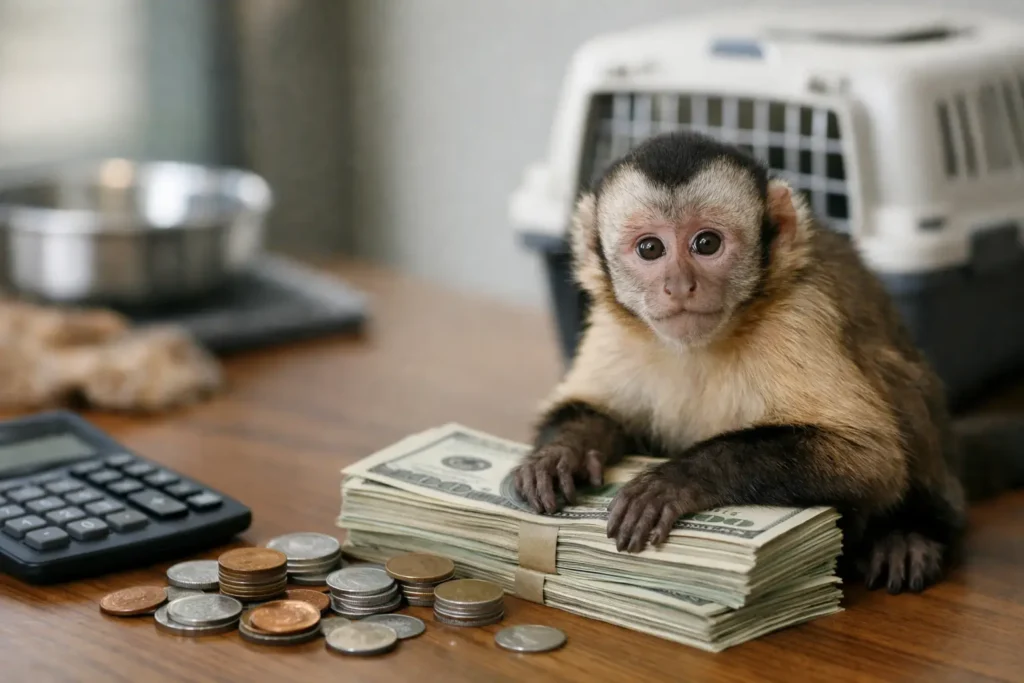
A baby primate may be small enough to sit on your shoulder, but pet monkey cost is never a small decision. The purchase price is only the first financial commitment in a relationship that can last well over a decade. Before welcoming a primate home, responsible families need a clear picture of the legal, practical, veterinary, and daily-care expenses that protect both the animal and the household.
For the right approved owner, a hand-raised monkey can become a deeply interactive companion and a true member of the family. That experience requires planning well beyond the day your new baby arrives.
Pet Monkey Cost Starts With the Primate
The initial cost of a pet monkey varies significantly by species, age, availability, early socialization, health documentation, and the level of breeder support included with placement. A properly raised infant from an established, USDA-licensed breeder is not priced like an ordinary pet. The investment reflects specialized nursery care, frequent human interaction, veterinary examinations, nutrition, responsible breeding practices, and the time required to prepare a baby for an approved home.
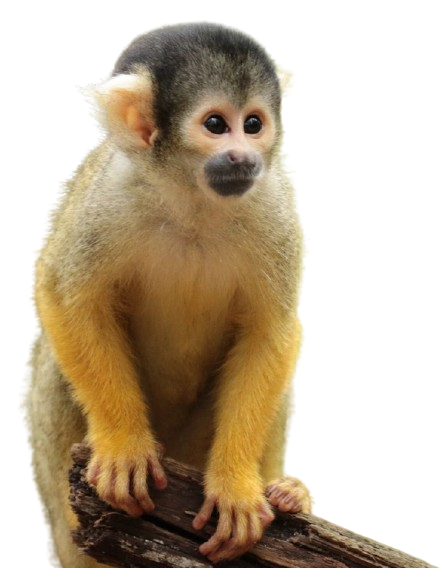
As a general expectation, marmosets may be the least expensive of the commonly placed companion primates, while squirrel monkeys and capuchins often require a larger initial investment. Capuchins, in particular, are highly intelligent, long-lived, and exceptionally hands-on companions, so their price commonly reaches well into five figures. Availability also matters. A family searching for a particular sex, personality, or age may need to wait for the right baby rather than choose based on price alone.
Be cautious about unusually low prices. A primate offered without a clear health history, legal paperwork, breeder transparency, or ongoing guidance can create far greater costs later. The goal is not simply to find a monkey for sale. It is to place a healthy, appropriately socialized animal in a prepared, lawful home.
The Legal Budget Comes Before Homecoming
No reputable placement can make an animal legal in an area where ownership is prohibited. State, county, and city rules can differ sharply, and some locations require permits, inspections, veterinary documentation, liability coverage, or specific enclosure standards. Other jurisdictions do not permit private primate ownership at all.
Permit expenses are usually modest compared with the animal itself, but the preparation they require may not be. An inspection could prompt improvements to your enclosure, locks, sanitation setup, or records. Some owners also face recurring permit renewals or required veterinary examinations. Build time into your budget as well. Legal research and application processing should be completed before a homecoming date is planned.
This is where breeder guidance has real value. Premier Primates helps approved families research ownership requirements, but each owner remains responsible for meeting every rule that applies to their address. A careful legal plan protects your family, your community, and the primate depending on you.
A Secure Enclosure Is a Major Upfront Expense
A primate should not live in a small cage tucked into a spare room. Even a highly bonded monkey needs a secure, species-appropriate home base with room to climb, move, rest, eat, and engage with enrichment safely. The right enclosure also helps establish healthy routines and protects the animal when visitors, other pets, maintenance workers, or household activity create distractions.
Costs depend on the species, your property, local requirements, and whether you are adapting an existing space or building a dedicated setup. A thoughtfully designed enclosure can range from several thousand dollars to far more for custom construction. Quality materials, double-door entry systems, secure locks, climate considerations, flooring, washable surfaces, and climbing structures all affect the final number.
Do not treat this as a one-time cage purchase. Primates are clever, active, and strong for their size. Enclosures need regular inspections, repairs, and updates as your monkey grows and learns. A young marmoset has different needs from a mature capuchin with years of experience opening latches and testing boundaries.
Enrichment Is Part of Housing, Not an Extra
Mental stimulation is essential to primate welfare. Budget for rotating climbing materials, puzzle feeders, safe toys, branches, hammocks, foraging opportunities, and species-appropriate activities. A bored primate can become stressed, destructive, or difficult to manage, so enrichment is one of the most meaningful ongoing investments an owner can make.
Ongoing Pet Monkey Costs Add Up Every Month
Daily care is where the lifetime commitment becomes most visible. Primates need a balanced diet designed around their species and individual needs. Fresh produce, approved protein sources, commercial primate nutrition, supplements when recommended by a veterinarian, and clean water are recurring expenses. Food costs vary by monkey and region, but families should expect to spend more than they would for many conventional pets.
You will also need cleaning supplies, bedding or substrate where appropriate, enclosure maintenance items, enrichment replacements, and a reliable backup supply of essentials. Because primates thrive on routine, it is wise to keep extra food and care supplies on hand rather than shopping only when something runs out.
The practical question is not whether you can afford one month of care. Ask whether your household can comfortably provide excellent care through changing work schedules, travel, home repairs, and unexpected expenses for the entire life of the animal.
Specialized Veterinary Care Needs a Reserve Fund
Finding a veterinarian experienced with nonhuman primates may be one of the most important steps you take before bringing a monkey home. Routine wellness exams, diagnostic testing, preventive care, and emergency treatment can cost more than similar services for a dog or cat because specialized expertise and equipment may be needed.
Set aside a dedicated veterinary reserve in addition to your monthly care budget. Emergencies are unpredictable, and delaying care because funds are unavailable is not fair to a beloved companion. If the nearest qualified exotic veterinarian is hours away, also account for travel, overnight stays if necessary, and time away from work.
A health guarantee and pre-placement veterinary examination offer valuable peace of mind at the beginning, but they do not replace lifelong veterinary responsibility. As with any family member, consistent preventive care is usually kinder and less costly than waiting for a problem to become urgent.
Transportation and Home Preparation Costs
Safe delivery is a specialized service, not a standard parcel shipment. Depending on distance and the delivery arrangement, transport may be a separate cost or included as part of a placement package. Families should also plan for the first days at home: a quiet acclimation space, secure carrier, feeding supplies, appropriate temperature control, and time to establish trust and routine.
The first year is often the most equipment-heavy. You may purchase items you did not anticipate after learning your individual monkey’s preferences and habits. That is normal. The key is to leave room in your budget for adjustments rather than assuming the original setup will never change.
The Cost of Time Is Just as Real
A pet monkey is not a novelty pet that can be left alone when life gets busy. Primates are social, perceptive animals that require daily interaction, observation, training, cleaning, and enrichment. Their emotional needs are part of the commitment.
Consider who will provide care if you are sick, traveling, or managing a family emergency. A qualified backup caregiver, boarding arrangement, or trusted support plan may involve additional cost, but it is a responsible safeguard. Families with young children, frequent travelers, renters, or homes full of unpredictable activity should be especially honest about whether their lifestyle can support a primate’s needs.
How to Build a Responsible Ownership Budget
Rather than focusing only on a quoted purchase price, create a first-year budget and a separate annual-care budget. Your first-year figure should include the primate, permits, enclosure construction, transport, initial supplies, veterinary establishment, and an emergency reserve. Your annual budget should account for food, enrichment, routine veterinary care, permit renewal, enclosure upkeep, and contingency savings.
It also helps to ask direct questions before applying: What is included in the placement price? What documentation will come with the baby? What enclosure standards are expected? Is transport included? What ongoing support is available after homecoming? Clear answers allow you to compare the full commitment, not just the number attached to the animal.
The most prepared owners see the financial commitment as part of giving their primate a stable, loving future. When your legal plan is sound, your enclosure is ready, your veterinary relationship is established, and your budget has room for the unexpected, you can focus on what matters most: welcoming a remarkable companion into a home prepared to care for them for life.