A baby primate’s earliest experiences shape far more than whether it enjoys being held. The infant primate socialization process influences how the animal responds to people, new surroundings, routine care, enrichment, and the inevitable changes that occur over a long life. For a prospective owner, understanding that process is part of making a responsible decision before selecting a companion.
A well-socialized infant may be more comfortable with calm handling and familiar daily routines, but socialization is not a shortcut to easy ownership. Primates are intelligent, highly social animals with species-specific needs that continue long after the nursery stage. Loving early care creates an important foundation. It does not remove the need for legal preparation, safe housing, specialized veterinary support, and a realistic commitment to lifelong enrichment.
What the Infant Primate Socialization Process Means
Socialization is the gradual, carefully managed introduction of a young primate to the sights, sounds, handling, routines, and appropriate relationships that will be part of its life. During infancy, primates learn through repeated experience. A gentle feeding routine, calm interaction with trusted caregivers, appropriate play, and non-threatening exposure to normal household activity can help build familiarity and confidence.
The goal is not to make a primate behave like a dog, child, or toy. A responsible process respects the animal’s natural behaviors while helping it become accustomed to safe human care. That distinction matters. A primate can be affectionate, curious, and strongly bonded to caregivers while still needing boundaries, supervised interactions, mental stimulation, and an environment designed for a primate rather than a conventional pet.
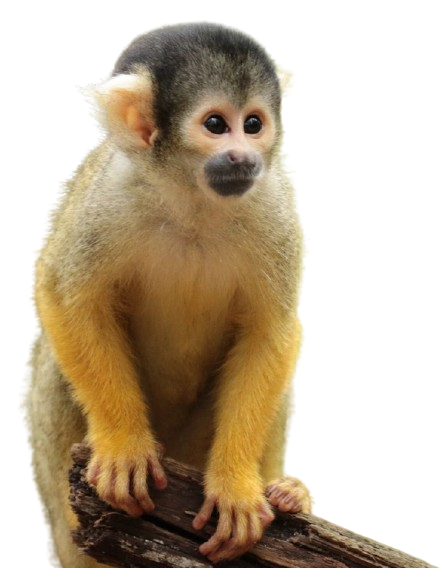
For families considering Capuchin monkeys, Marmoset monkeys, or Squirrel monkeys, the details may vary by species and individual temperament. Some infants are outgoing and eager to investigate. Others need more time with unfamiliar sounds or people. Thoughtful socialization follows the infant’s developmental pace rather than forcing a one-size-fits-all schedule.
The Early Experiences That Build Trust
In a professional nursery setting, trust is usually built through predictable, gentle care. Infants learn that feeding, cleaning, health checks, and handling are safe when caregivers are patient, attentive, and consistent. Repetition is valuable because it reduces uncertainty without overwhelming the animal.
Appropriate touch is one part of that work. Caregivers may gradually accustom an infant to being held securely, having feet and hands observed, and accepting brief examinations. These experiences can make routine veterinary care and daily wellness checks less stressful later. Still, handling should never become constant stimulation. Every infant needs rest, a sense of security, and time to engage naturally with its environment.
A quality socialization program also introduces age-appropriate enrichment. Safe objects, climbing opportunities, changing textures, simple problem-solving activities, and carefully supervised novelty encourage curiosity. Enrichment is not an optional extra reserved for mature animals. It is part of how a developing primate learns to explore, adapt, and use its remarkable intelligence.
Human interaction must be balanced with the animal’s broader social and behavioral needs. Primates are social by nature, and their welfare cannot be reduced to cuddling or attention from one person. A knowledgeable breeder or placement professional should be candid about what the species needs, how the animal has been raised, and the preparation required for an appropriate home.
Calm exposure beats overstimulation
Socialization works best when it is gradual. Loud gatherings, constant passing from person to person, erratic schedules, or excessive novelty can create stress rather than confidence. An infant does not need to meet everyone. It needs to learn that its core caregivers are reliable and that new experiences can be introduced safely.
The same principle applies to household preparation. A calm homecoming area, a predictable feeding and sleep schedule, and a limited number of responsible adult caregivers are usually more helpful than a chaotic welcome. Children and visitors should understand that an infant primate is not a party attraction. Every interaction must protect the animal’s comfort and safety.
Why This Process Matters to Future Owners
Early socialization can support a smoother transition, but the new owner becomes part of the process the moment the animal arrives. A baby primate cannot be expected to transfer trust automatically from a nursery caregiver to an unfamiliar household. The transition requires patience, consistency, and a willingness to let the animal adjust at a manageable pace.
For the first days and weeks, predictable routines matter more than trying to create instant closeness. Use the feeding, sleep, and care guidance provided for the individual animal. Keep the environment calm. Allow the infant to observe, approach, and settle without being pressured into constant contact. A careful start helps protect the trust developed before placement.
This is also why a primate should never be purchased on impulse. The buyer must have a legal pathway in place, an appropriate enclosure prepared, a qualified exotic veterinarian identified, and the financial capacity for specialized care over many years. Depending on your state, county, and city, private primate ownership may be prohibited, restricted, or subject to permits and inspections. Research must happen before a deposit, travel plan, or homecoming date.
At Premier Primates, responsible placement begins with helping approved buyers understand the whole commitment, from socialization history and health oversight to enclosure expectations and ongoing mentorship. The right match is not simply the youngest available infant. It is the placement where the household, legal requirements, experience level, and individual primate’s needs align.
Socialization Is Not the Same as Training
New owners sometimes confuse a socialized infant with a fully trained animal. They are not the same thing. Socialization creates familiarity and trust. Training is an ongoing process of teaching and reinforcing specific cooperative behaviors, such as entering a carrier, accepting a routine health check, or moving safely between spaces.
Even a well-raised infant can become fearful, frustrated, or difficult to manage if routines change abruptly or its needs are ignored. Maturity can also bring major behavioral changes. A primate that is gentle as a baby may become more territorial, independent, or challenging as it grows. This is normal species behavior, not a sign that the animal has failed or that early socialization was meaningless.
That reality calls for honest planning. Owners need safe containment, clear household rules, regular enrichment, and professional guidance when behavior changes. They must be prepared to adjust their routines as the animal develops rather than expecting the primate to remain an infant forever.
Questions to Ask Before Choosing an Infant
A responsible conversation with a breeder should go beyond color, size, and photographs. Ask how the infant is introduced to routine handling, how feeding and veterinary examinations are managed, and what enrichment is part of daily care. Ask about the individual’s personality, not just the species reputation. A confident, curious infant and a more reserved infant may both thrive, but they may require different approaches during transition.
You should also ask what support is available after placement. A breeder’s role should not end at transport coordination. New owners benefit from clear homecoming guidance, answers about adjustment, and practical support as they establish routines. The best placements are built on preparation before arrival and communication afterward.
Be equally honest about your own circumstances. Who will provide daily care? What happens during travel, illness, or a family emergency? Is your enclosure truly ready? Can you afford specialized food, veterinary care, maintenance, permits, and enrichment for the animal’s lifetime? These are not obstacles to work around. They are the questions that protect both the family and the primate.
Supporting a Confident Transition Home
When the home is prepared well, the infant can focus on settling in rather than coping with avoidable stress. Keep the first stage quiet and structured. Follow professional guidance on diet and routine, maintain meticulous hygiene, and observe behavior closely. Changes in appetite, energy, stool, sleep, or responsiveness deserve prompt attention from a qualified veterinarian.
Build connection through calm, consistent care rather than demanding affection. Offer appropriate enrichment, preserve regular rest periods, and make sure every person involved understands safe handling expectations. If something feels uncertain, ask for guidance early. Small concerns are easier to address before they become disruptive habits or stressful experiences.
A baby primate deserves more than a memorable homecoming. It deserves a prepared family that understands that trust is earned daily, care evolves over time, and a lifelong companion should always be treated with the patience, protection, and respect that commitment requires.