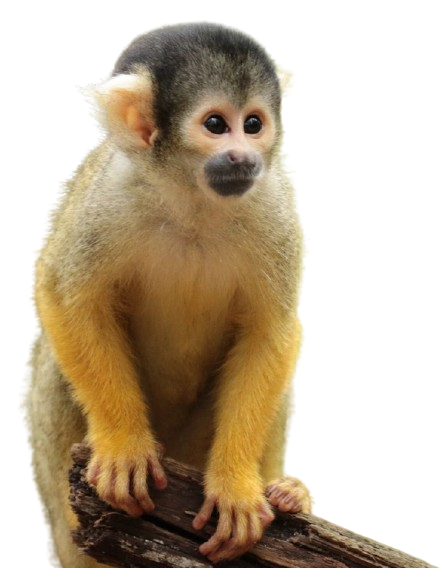

A baby squirrel monkey can fit in your hands, but the decision to bring one home carries adult-sized responsibilities. Available squirrel monkeys are not a casual exotic-pet purchase. They are bright, social, active primates who need a legally prepared home, daily interaction, specialized veterinary planning, and a family ready to care for them for years to come.
For the right approved owner, a hand-raised squirrel monkey can become an extraordinary companion. Their expressive faces, lively curiosity, and strong bonds with their people make them unforgettable. But responsible placement starts well before a nursery visit or transport date. It starts with an honest look at your lifestyle, your local laws, and your ability to meet a primate’s needs every single day.
What Available Squirrel Monkeys Need From a Home
Squirrel monkeys are highly intelligent, energetic animals. They do not thrive in a cage with a few toys and occasional attention. A successful placement requires a dedicated, enriching environment where the monkey has room to climb, explore, rest, and safely engage with its family.
An appropriate enclosure should be secure, escape-resistant, easy to clean, and designed around natural movement. Vertical space matters as much as floor space. Branches, climbing structures, platforms, hammocks, puzzle feeders, and rotated enrichment items help keep an active mind occupied. The enclosure is not a punishment or storage space. It is a critical part of daily welfare and should be ready before your monkey comes home.
Time is equally important. Squirrel monkeys are not independent companions that can be left alone for a long workday and entertained briefly at night. They need consistent social connection, supervised activity, routines, and patient handling. Households should discuss who is responsible for feeding, cleaning, enrichment, veterinary appointments, and care during travel or emergencies.
A young monkey may be especially affectionate and engaging, but infancy is only one stage of a long life. As your companion matures, behavior, boundaries, and daily needs can change. Families that succeed are the ones that prepare for the lifelong relationship, not just the charm of bringing home a baby.
Legal Preparation Comes Before Placement
Private primate ownership is regulated differently across the United States. State, county, city, and neighborhood rules may all affect whether squirrel monkey ownership is allowed at your address. Some locations require permits, inspections, proof of enclosure standards, veterinary documentation, or insurance. Other locations prohibit private ownership altogether.
Never assume that a state rule is the only rule that applies. A county ordinance, city code, homeowners association policy, or rental agreement can create additional restrictions. Moving later can also complicate ownership if the new location has different regulations.
Responsible buyers begin their legal research early and keep clear records of permits, applications, approvals, and animal documentation. This is not paperwork to rush through after choosing a monkey. It is a foundation for responsible ownership. A careful placement process should verify that a prospective home is legally eligible before delivery is coordinated.
Premier Primates helps approved families understand the permit-research process, but each owner remains responsible for confirming the requirements that apply to their specific address. That extra diligence protects the animal, the owner, and the future of the placement.
Choosing a Squirrel Monkey Is About Fit, Not Just Availability
When families ask about available squirrel monkeys, availability is naturally the first question. Yet the more meaningful question is whether a particular monkey and household are a good match. Personality, age, early socialization, handling history, and family routines all matter.
A well-raised infant should have experienced thoughtful human interaction from an early age while receiving attentive nursery care. Early socialization can help a baby transition into a prepared home, but it does not erase the need for ongoing training, respectful boundaries, and daily engagement. Primates are individuals. One may be boldly curious, while another is more observant or slower to warm up to new experiences.
Ask direct questions during the selection process. Learn about the monkey’s personality, current feeding routine, veterinary examinations, records, and expected care needs. You should also understand what support is available after homecoming. A responsible breeder and placement partner will welcome serious questions, because informed owners are better positioned to provide stable, loving care.
Avoid making a decision based only on photos, size, or a desire for an unusual pet. Squirrel monkeys are family members with complex needs, not novelty animals. The best match is one built around preparation and compatibility.
Build Your Care Team Before Your Monkey Arrives
Specialized veterinary access is one of the most practical and overlooked parts of primate ownership. Before bringing a squirrel monkey home, identify a qualified veterinarian who is comfortable providing care for nonhuman primates or can coordinate appropriate specialty support. Routine wellness care, emergency planning, parasite prevention, nutritional guidance, and safe transport to appointments should all be considered in advance.
Nutrition also requires commitment. Squirrel monkeys need a carefully managed diet developed with professional guidance, not a menu assembled from convenience foods or internet guesses. Their feeding plan may include a formulated primate diet along with approved fresh foods and enrichment-based feeding opportunities. Consistency, sanitation, portion management, and monitoring changes in appetite are part of everyday care.
Your care team should include more than a veterinarian. Think through who can assist if you are sick, delayed by travel, or facing an emergency. A responsible backup caregiver must understand safe handling, feeding procedures, enclosure security, and the importance of following established routines. This is especially important because primates can be sensitive to sudden changes in their environment and caregivers.
The Real Financial Commitment
The purchase price is only one part of owning a squirrel monkey. A prepared family budgets for a quality enclosure, climate considerations, enrichment, nutritious food, veterinary care, permits, transportation, cleaning supplies, possible insurance requirements, and emergency expenses.
Costs can vary widely depending on location, home setup, veterinary availability, and local regulations. The point is not to predict one universal number. The point is to create room in your budget for the expected expenses and the unexpected ones. If an enclosure needs an upgrade, a veterinary issue arises, or local documentation changes, your monkey’s care cannot be put on pause.
This is why careful screening is an act of compassion. A family that has the resources to maintain excellent care over time gives a squirrel monkey the consistency it deserves. The goal is never simply to complete a sale. The goal is a stable, supported placement that lasts.
Preparing for Homecoming
Once legal approval, housing, and care plans are in place, the homecoming process should feel organized rather than rushed. Your enclosure should be fully assembled, tested for security, cleaned, and stocked with the approved essentials. Remove household hazards, establish a quiet transition area, and make sure every family member understands the initial routine.
The first days should be calm. A newly relocated monkey needs time to observe, adjust, and begin building trust in an unfamiliar environment. Limit overwhelming activity, follow the established feeding and care instructions, and allow positive interaction to develop at the monkey’s pace. Gentle consistency will do more for the relationship than forcing attention.
Families should also be prepared for a learning curve. Even experienced animal owners may find primate communication and care very different from caring for dogs, cats, or traditional small pets. Ongoing mentorship, professional guidance, and a willingness to adapt are valuable parts of responsible ownership.
A squirrel monkey can bring joy, personality, and a remarkable sense of connection into a prepared household. Give that relationship the start it deserves by treating legal readiness, enclosure design, veterinary support, and lifelong daily care as the first expressions of love.