Premier Primates Health Guarantee
The health and well-being of every primate remain our highest priority. We are committed to responsible care, veterinary attention, proper nutrition and educating every approved owner before placement.
View Available PrimatesOur Commitment to Healthy Primates
Every primate deserves excellent care before joining its new home so we offer a 2 yr Health Guarantee.
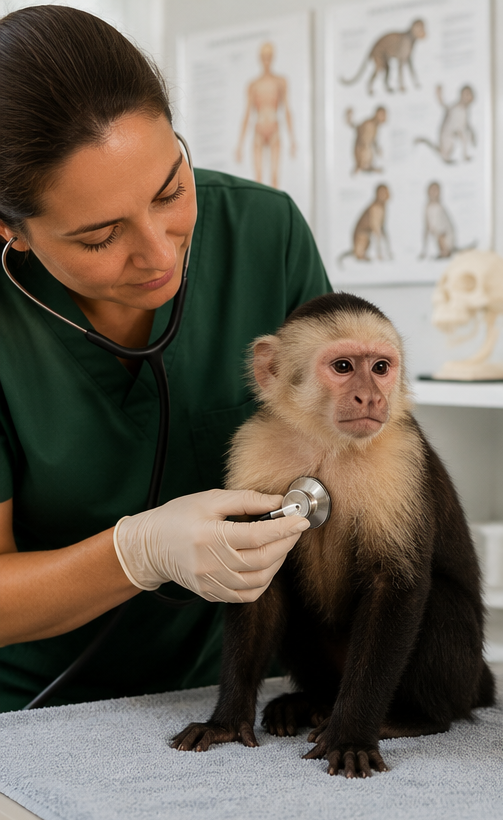
Veterinary Attention
Each primate receives routine health observation and appropriate veterinary attention before placement.
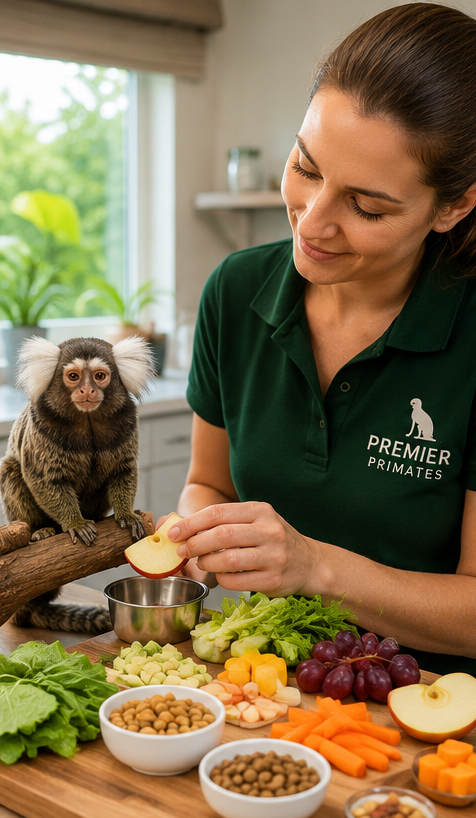
Proper Nutrition
Balanced nutrition plays an important role in supporting healthy growth, development and overall well-being.
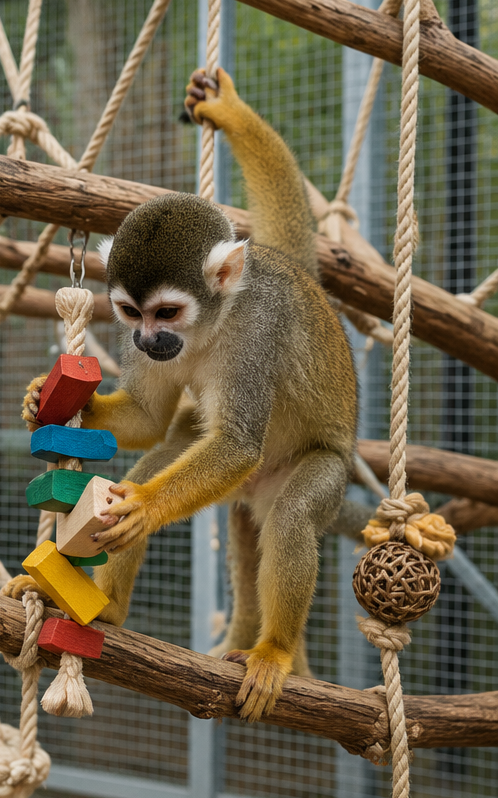
Daily Enrichment
Regular interaction and enrichment encourage healthy physical activity and behavioral development.
Our Health Guarantee Standards
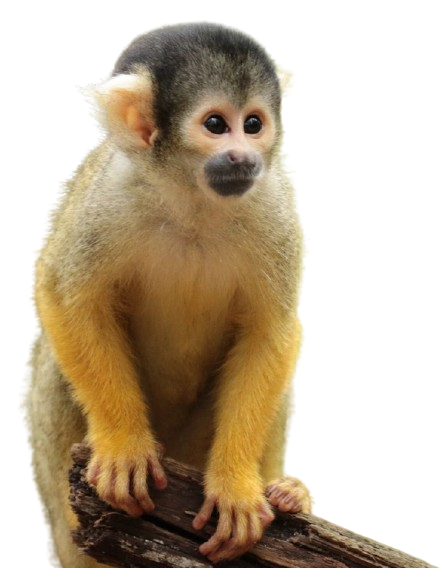
Premier Primates is committed to maintaining high standards of care for every Capuchin Monkey, Marmoset Monkey and Squirrel Monkey featured on our website. Each primate receives species-appropriate nutrition, clean housing, regular observation and enrichment before placement.
When appropriate, veterinary evaluations and available health records are reviewed with the approved owner before the primate leaves our care. We encourage every new owner to schedule an examination with an experienced exotic-animal veterinarian soon after arrival.
Owner Responsibilities
The long-term health of a primate depends greatly on the care it receives after placement. Every owner should provide:
- Secure species-appropriate housing.
- Fresh water and balanced nutrition.
- Daily enrichment and supervised interaction.
- Routine veterinary care from an experienced exotic veterinarian.
- A safe, clean and enriching environment.
- Compliance with all applicable ownership laws.
Our Placement Philosophy
We believe responsible ownership begins with education and good Health Guarantee. Every prospective owner should understand the commitment involved before welcoming a primate into their home. Our goal is to match each approved owner with the species most appropriate for their experience, environment and long-term care plans.
Post-Placement Support
We are happy to answer general questions regarding feeding routines, environmental enrichment and transitioning your primate into its new surroundings. We encourage owners to maintain regular communication during the adjustment period and to consult their veterinarian regarding medical concerns.
Helpful Resources
Learn more about responsible ownership by visiting our Frequently Asked Questions , our Primate Delivery page and our About Us page.
General animal welfare information is available through the USDA Animal Care Program . Veterinary guidance for owners is also available through the American Veterinary Medical Association .
Frequently Asked Questions
Should I take my primate to a veterinarian after arrival?
Yes. We recommend arranging a health examination with an experienced exotic-animal veterinarian shortly after your primate arrives.
Will my primate receive enrichment before placement?
Our goal is to provide regular interaction and enrichment appropriate for the species, age and individual temperament of each primate while it is in our care.
Can you guarantee a primate will never become ill?
No. Like all animals, primates can develop illnesses or medical conditions over time. Ongoing veterinary care, proper nutrition, suitable housing and responsible management are essential throughout the animal's life.
Creating the Best Environment for Long-Term Primate Health
Long-term health begins with providing an environment that supports both the physical and behavioral needs of a primate. Proper housing should be secure, clean, spacious and designed to encourage climbing, movement and exploration. Environmental enrichment is equally important, as intelligent primates benefit from opportunities to solve problems, forage for food and interact with species-appropriate toys and structures. Regular cleaning, fresh water and a consistent daily routine also contribute to maintaining a healthy living environment.
Nutrition is another essential part of overall health. Different primate species have different dietary requirements, so owners should work with an experienced exotic-animal veterinarian to develop a balanced feeding plan. Fresh fruits, vegetables and other appropriate foods should be offered according to professional guidance while avoiding foods that may be harmful. Monitoring appetite, activity level and body condition can help owners recognize changes that may require veterinary attention.
Our Commitment to Responsible Placement
Premier Primates believes that responsible placement is one of the most important aspects of animal welfare. Before a primate joins a new home, we encourage prospective owners to carefully research the species, prepare appropriate housing and locate an experienced veterinarian who is familiar with nonhuman primates. We also encourage owners to understand local ownership laws and obtain any permits that may be required before making arrangements.
Following placement, owners should continue to observe their primate's behavior, eating habits and overall condition. Any noticeable changes should be discussed with a qualified veterinarian as soon as possible. Routine health examinations, preventive care and proper nutrition play an important role in supporting long-term well-being. While no breeder or caretaker can guarantee that an animal will never develop a medical condition, careful husbandry and prompt veterinary care can help support a healthy and active life.
Building a Lifetime of Care
Our relationship with approved owners does not end when a primate leaves our care. We are committed to providing general guidance regarding transition, daily routines and responsible ownership so that new owners feel confident as they welcome their primate into its new environment. We encourage owners to continue learning through reputable educational resources and to remain proactive about veterinary care, enrichment and proper husbandry throughout the primate's lifetime.
Learn More About Our Primates
Browse our available primates or contact Premier Primates if you have questions about our health practices, responsible ownership or placement process.
Browse Available Primates